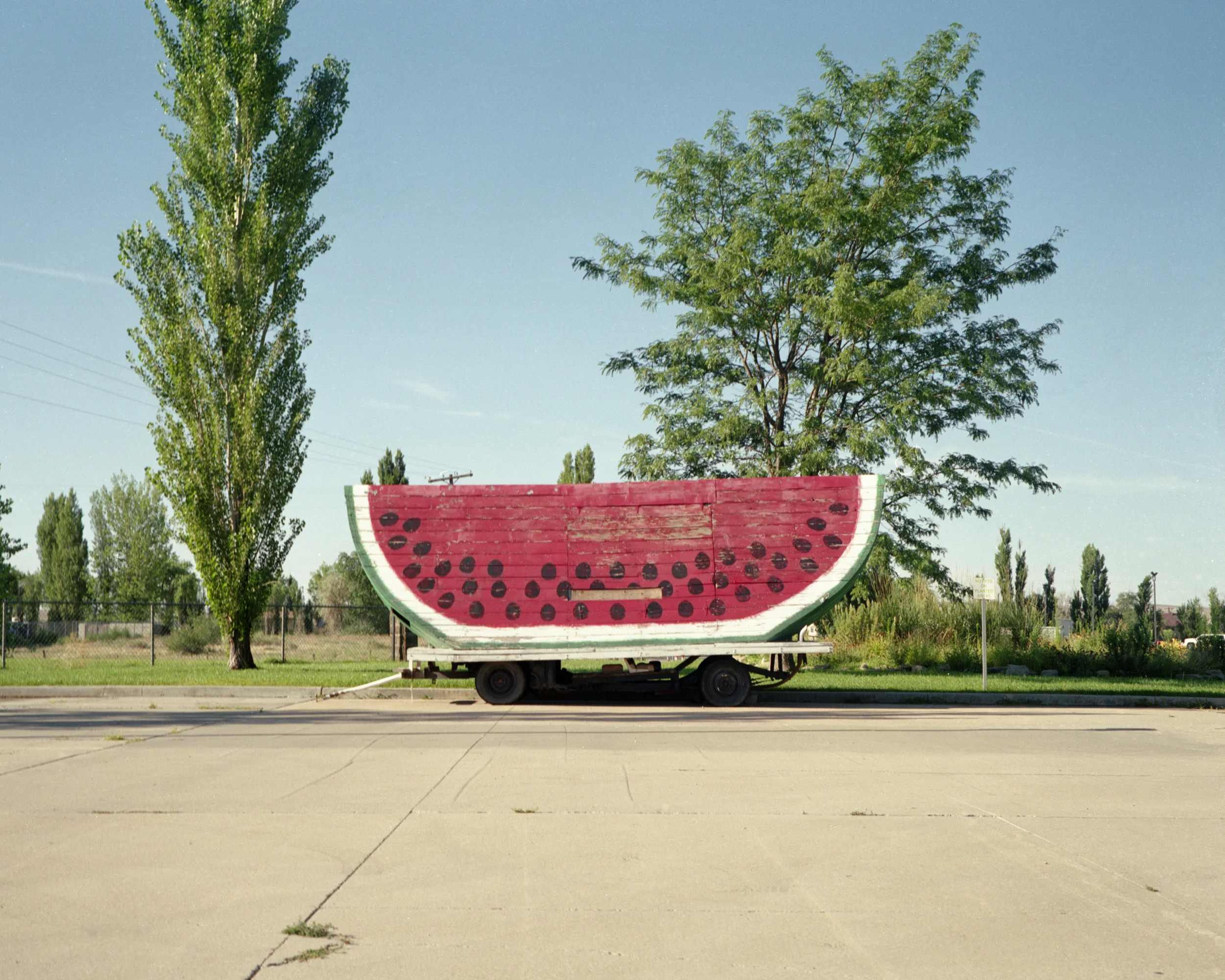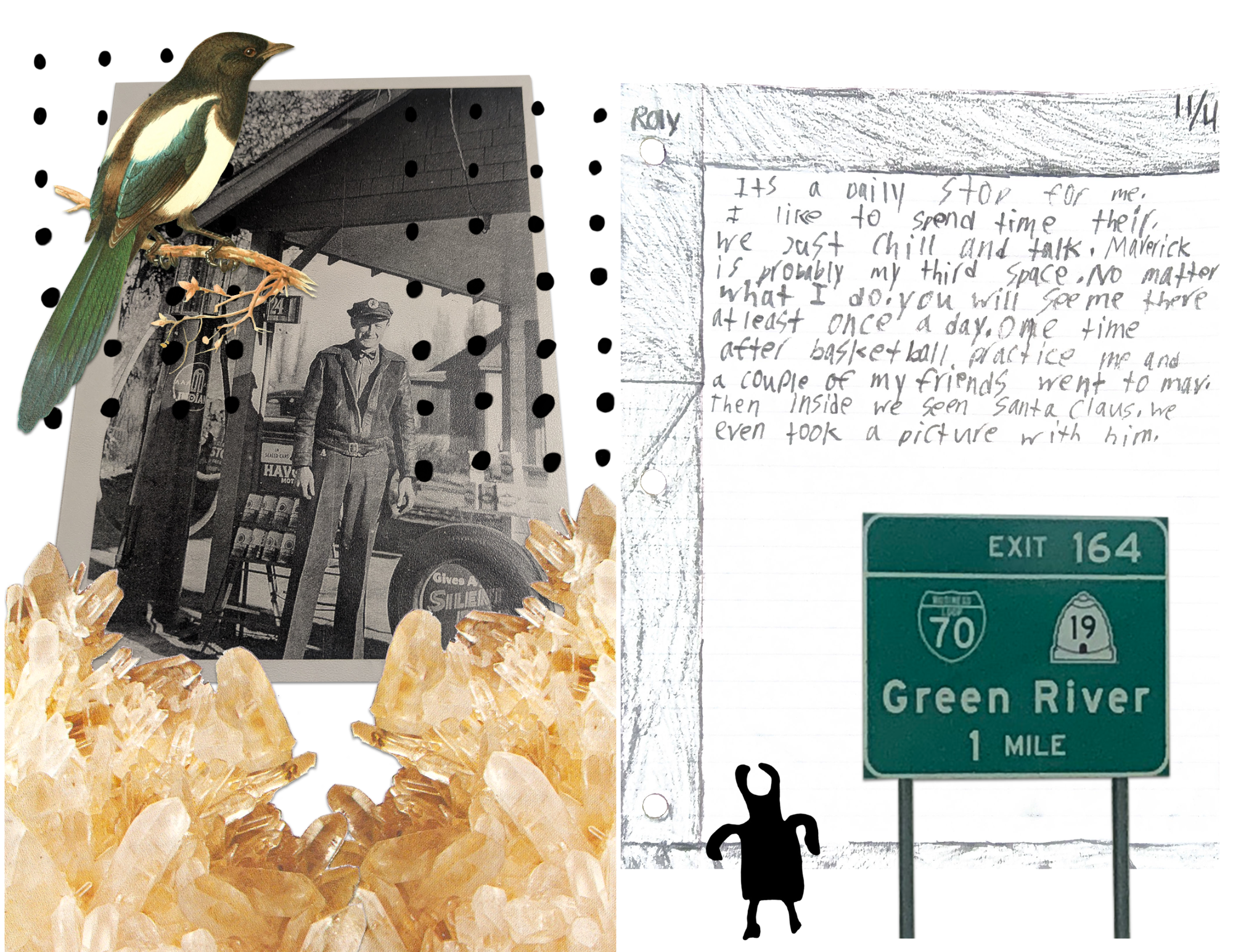
Teal Gardner
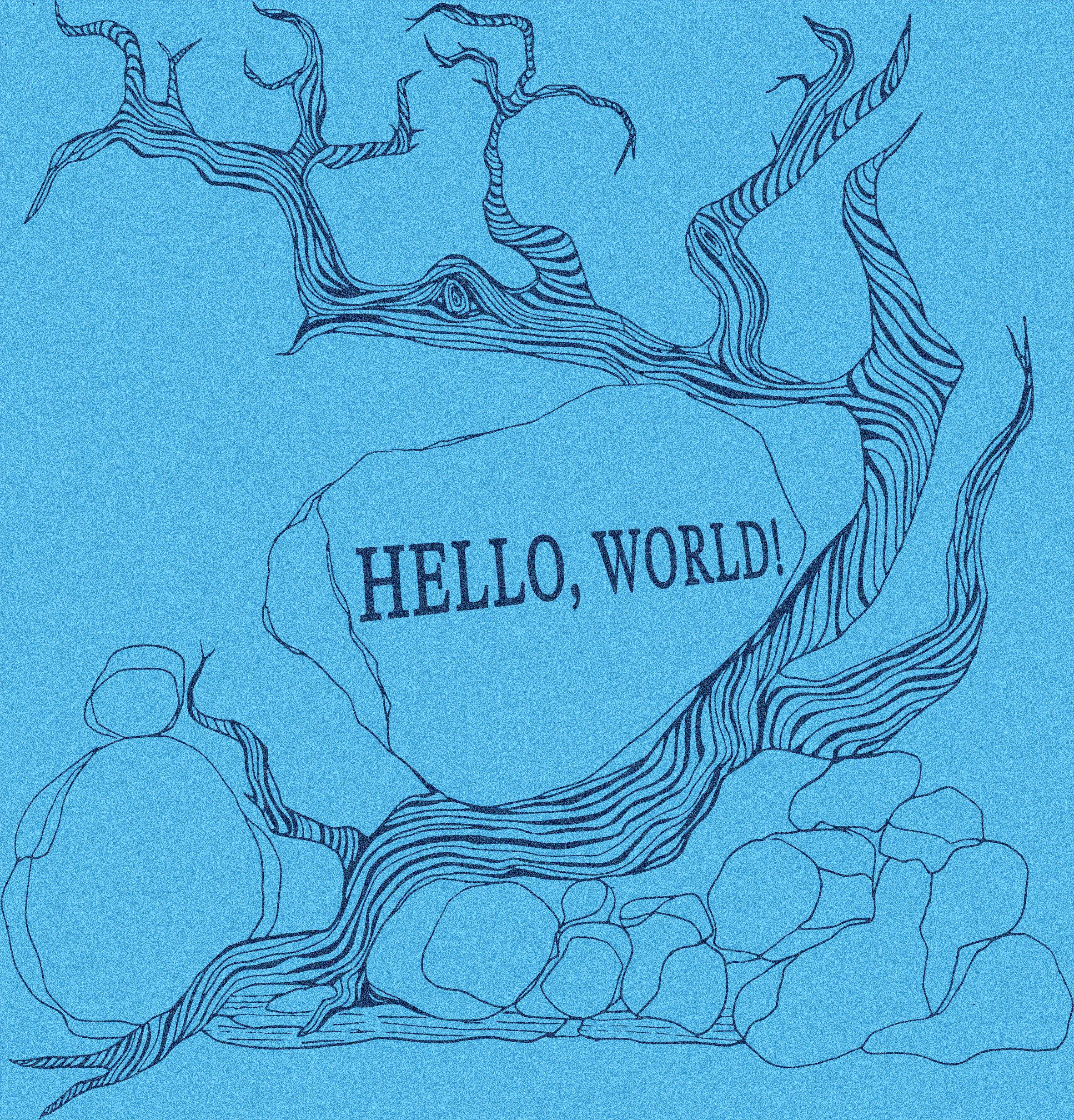
Teal Gardner is an interdisciplinary artist based in Boise, ID, where she founded the post-disciplinary eco-collective, The Ecogeoglyphic Observatory in 2022. When not facilitating that project, she is conducting material investigations of her two favorite objects: the brick + the stick. She shares a studio in Garden City, ID, with her partner + collaborator Matthew Kennedy.
HELLO, WORLD!
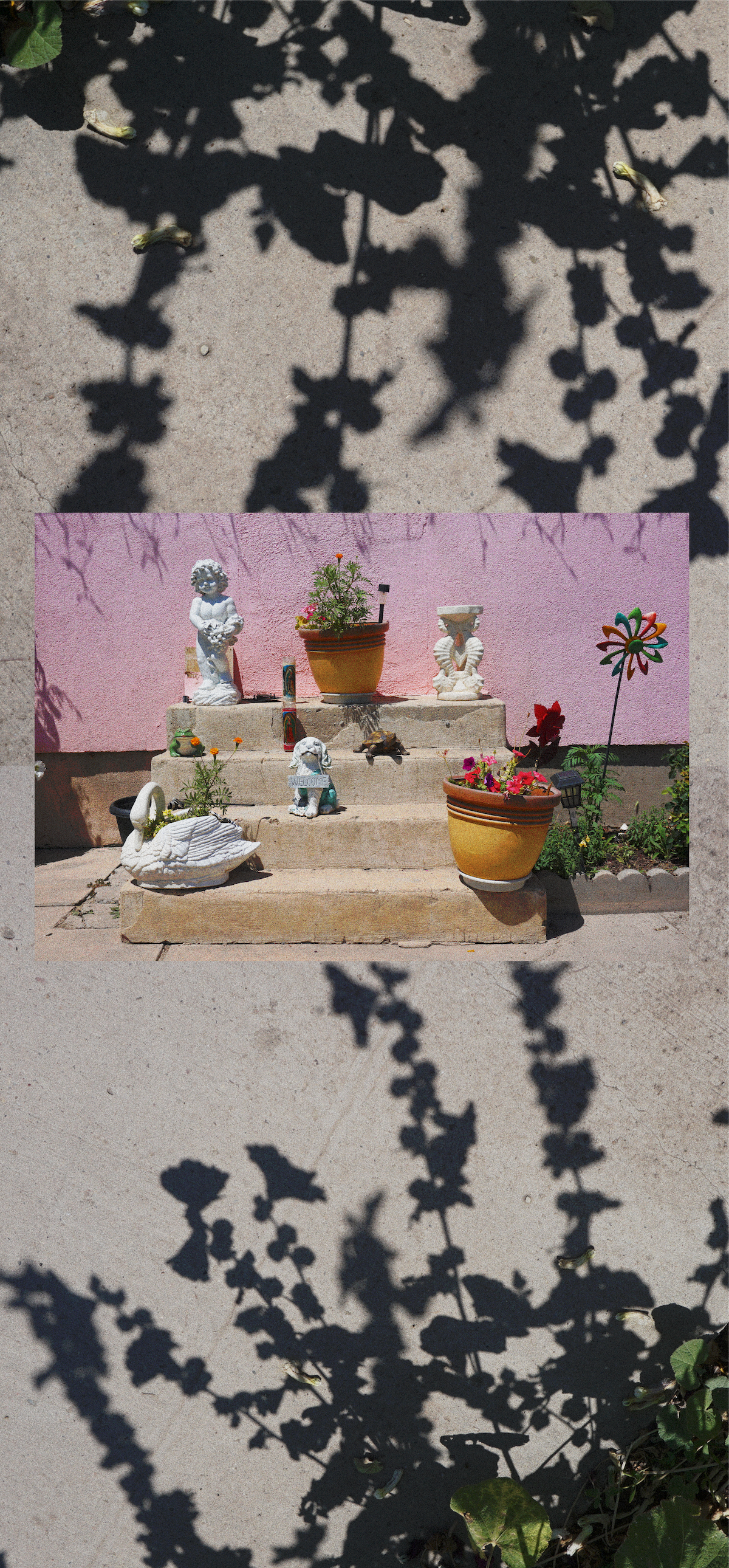
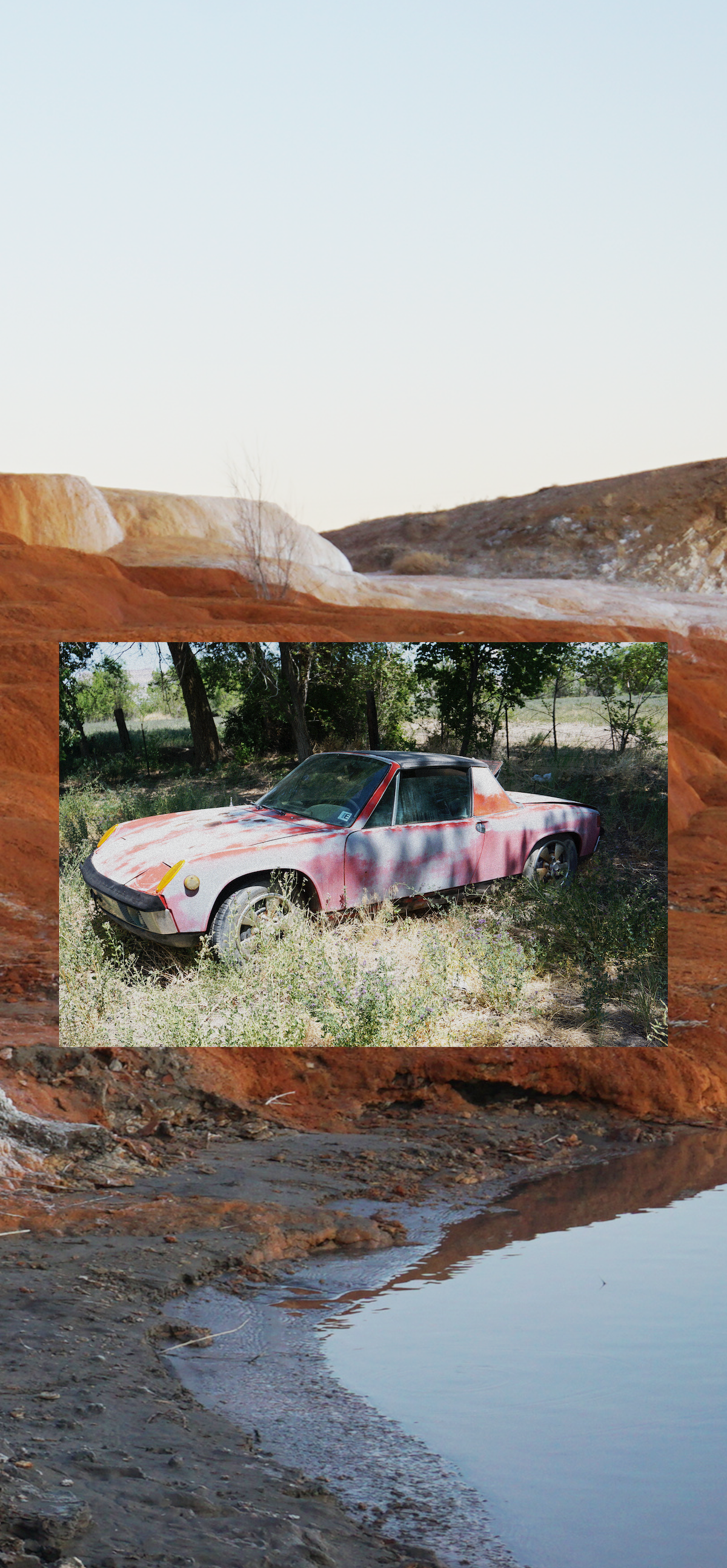
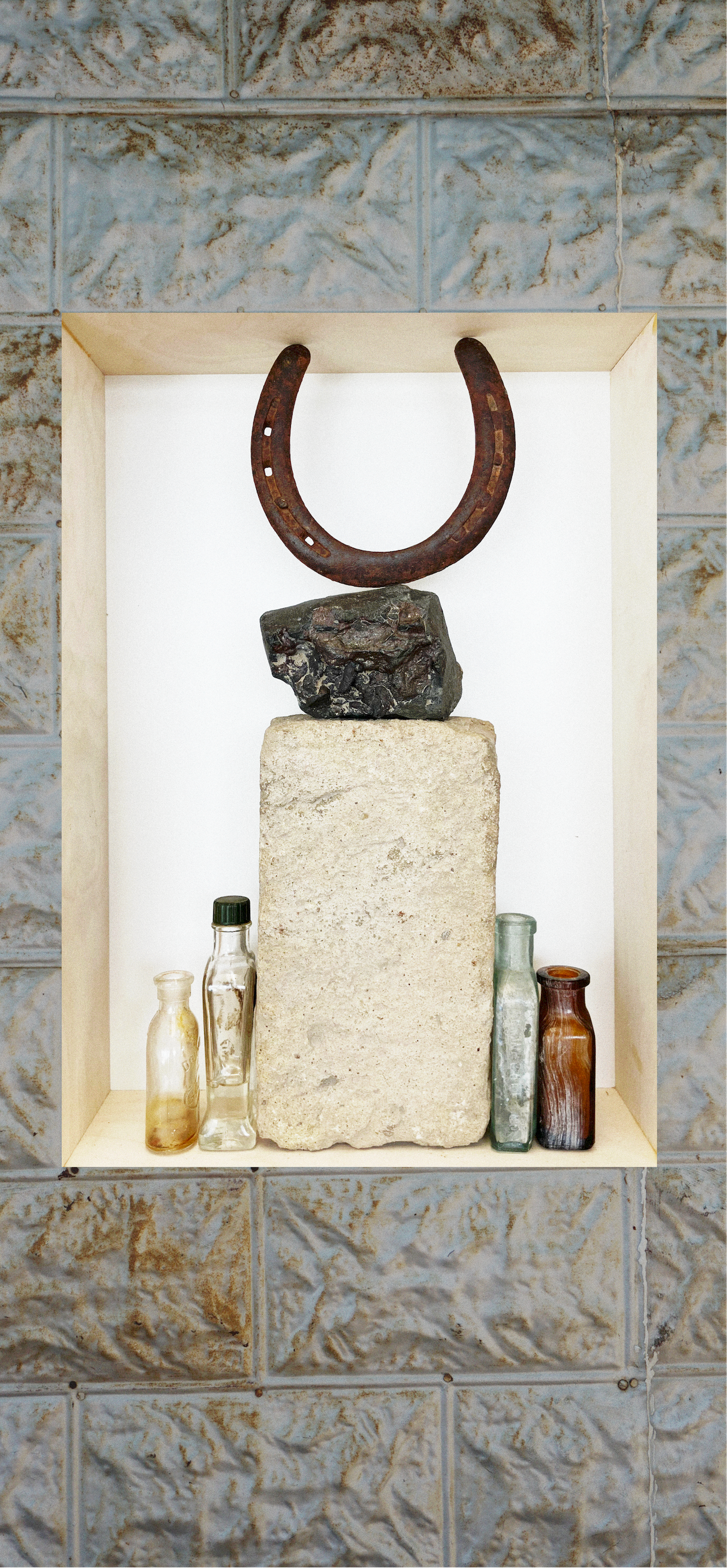
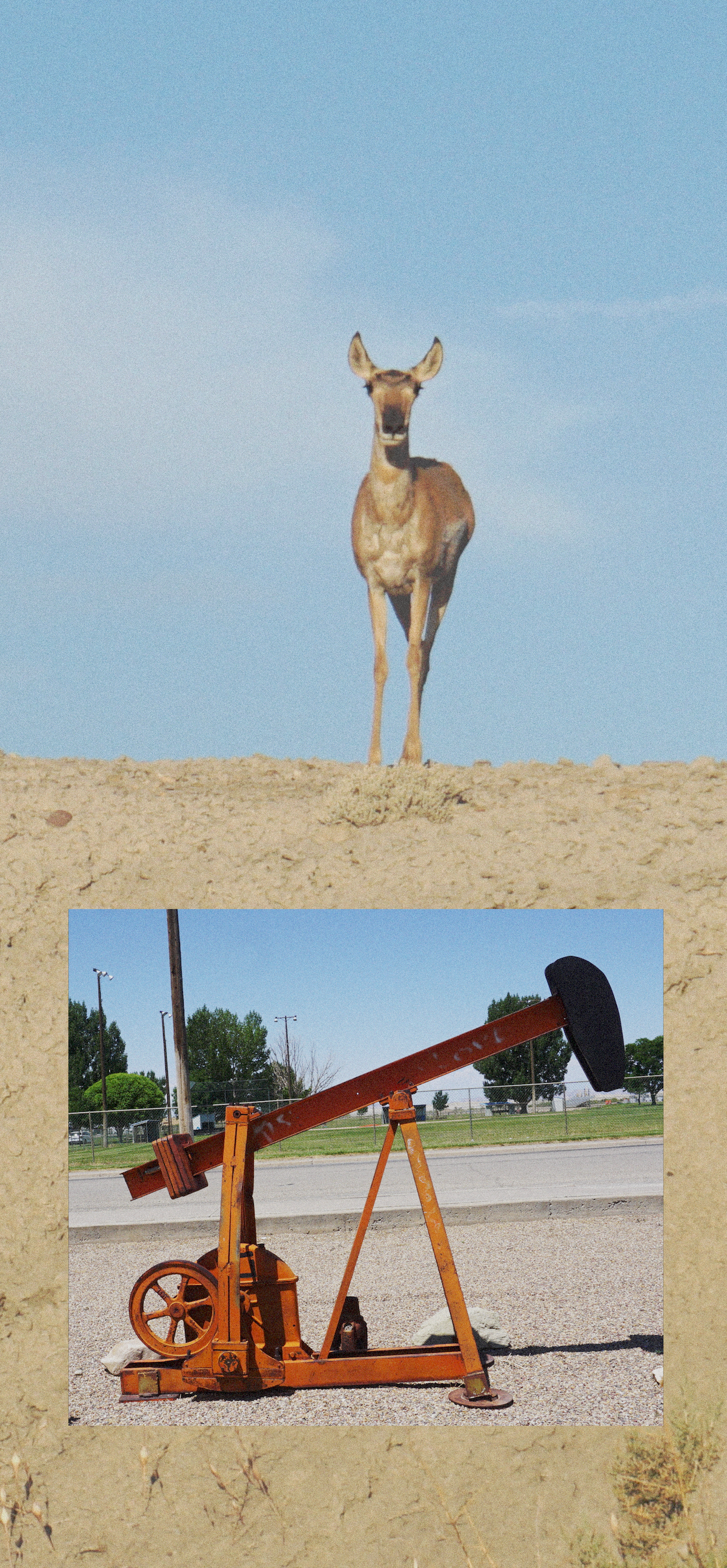
I wrote the italicised below in 2025 in February, during my 3rd visit to Green River, staying at The Frontier House, taking care of Kenny + Zoe’s cats. I stayed almost 2 weeks, and finally committed to my project, after a few false-starts/wacky ideas…
In August 2024, I was an outsider visiting Green River for the first time. I wandered out into the neighborhoods with my camera, looking for some clues; a very beginning of my process for understanding Green River. An observation from these walks: Green River has some very cool front yards. There are amazing iron sculptures, much creative use of natural materials, rock collections, xeriscaping, archives of the agricultural past of the area, flowers, birdhouses, etc etc! Some parts of Green River show signs of neglect, and yet these buildings are more often the abandoned shells of closed businesses than people’s personal homes. Does the presence of the thoughtful front yard have its opposite form? The decaying structure, the eyesore, the spectacle of the ruin, the no-trespassing sign. Green River is dynamic in that it has both.
Hopping off the Amtrak one evening was a guy with a big DSLR, who made a beeline for one of the dead motels, busted windows barely separating the rooms from the scouring winds and unrelenting sun of the desert. As I saw him snapping away, I thought about how decontextualized images come to represent a place. I wondered about the negative effect of representing Green River, with its many histories and complexities, AND beautiful yards, simply as a series of images of architectural decay. As opposed to the decaying form of an abandoned Motel, the thoughtful front yard transmits a message of creativity, of care, and of life-being-lived. It will be seen and enjoyed by those who pass through the neighborhood on their way to somewhere else, or by neighbors who have lived next door for 50 years.
My project proposes that what is plainly on view is important. The front yard is a site where life is being lived. The fact of existing yard design in Green River tells a story of resilience, humor, ingenuity, creativity, and generosity. Neighbors express themselves through their choices about their yard: they show what they love, what they believe, and what influences them through the aesthetic decisions they make. The front yard is a site of vernacular aesthetics as well as the redeployment of existing regional or more general aesthetics of yard decor. These gradients between aesthetic expectations of a yard, and the lived experience of having one, the quality brought by the physical environment, and people having control over the yard is where I am looking. I am making a project that pressurizes the questions I have raised above by documenting the front yards of Green River through photography and time with people who want to share their yards with me.
With permission of everyone involved, I will be turning the project into a book and hopefully an exhibit somewhere in town: ideas have included City Hall, Chow Hound and Green River Coffee, the front windows of certain businesses, and so forth. I am also interested in postcards, calendars, and general paper based swag. Another idea is to print details of the yards on vinyl and hang them from the street lights along main. The goal with the print materials is to make something that Green Riverites will like and want.
Post-this epiphanic proposal to Maria + crew, I returned to Boise and began to think out the necessary details for the thing that would become the project, which is at the time of this writing complete, and called “HELLO, WORLD.” The title itself came about during that cold February trip, when I was lucky to meet Jo Anne Chandler, Green River’s local historian extraordinaire one day at the library, after I’d been told for days that “I just had to meet Jo Anne!”. She picked me up at the JWP Museum parking lot and took me for a drive around town, identifying houses, who once lived there, what happened to them, what they used to do back in the good old days, etc etc. Frequently these statements, especially about how things used to be, and how they were better than they are now, would be concluded with the “no-duh” style exclamation, ‘Hell-o World!”. I couldn’t have found a better title for this project, and now like to think of yards as themselves being this form of greeting, a mediating space between street and house, where the lives within are introduced, almost like they are waving, saying, Hello, world! At least that’s what I like to think.
Fast forward to June of 2025, when I returned to Green River, ready to meet people, check out some yards, hear some stories, and take some photos. I’d placed some fliers in public spots when I left in February (Post Office, and Green River Coffee Co). In addition, an ad in the Green River Observer (thanks, Kenny) announced my project, as well as a bunch more fliers which I sent to Green River ahead of my June trip. That was kind of botched, as I totally underestimated the number of PO boxes in town, and how to get a piece of mail in each one of them. Thanks Kenny, again, for helping me sort that one out. We ended up getting my fliers out to the people, and by the time I was back in town, I actually had some responses - people wanted to meet up and show me around their yards.
Marcie - I was drawn to her amazing bottle collection. Along with Lalo + Claudia’s (fondly referred to in my notes as “pink house”) her place is the one that made me think that the yards-focused project could be a good idea.
Gayna - She got in touch having seen my flier somewhere. She is an avid gardener, and we have kept in touch since my last visit, sending photos of flowers and so on. She and her husband live near the river, and the county line runs right through their property. She grows the most amazing hollyhocks.
Lalo + Claudia - Their pink house and their yard decor is what caught my eye in the first place. I think it was during my third visit, when I was walking around the neighborhood near Epicenter, and I saw one of them watering a red geranium. I love geraniums, and I felt like I hadn’t seen anyone outside doing anything all day, so I really zoned in when I saw that happening. Later, I found out that Lalo works at the River Terrace Inn, and we spoke to each other a bit in spanglish and I asked if I could take photos of his yard. He was so into it. What a cool guy.
LeiAnn - I couldn’t help noticing the oil rig in the front yard of LeiAnn’s place. She also has gecko/lizard decorations on the side of her house. She does nails there, and chatted with me when I stopped by to see if she’d be into me photographing her place.
The Scotts - Their birdhouses are legendary. Nearly everyone I asked in Green River about whose yard I should focus on said “The Scotts.” I got lucky, riding my bike around during that June visit- I just came upon Bob, who was mowing. I asked him if it would be alright to look around his yard, and he was inviting. There were so many cool handmade things there. He is really an artist.
The Ryans - I had noticed the Ryans- whose arrangements of metal sculpture catch your eye both at their in-town house and out at their place in Elgin, and at the cemetery. We got to know each other pretty well. I toured both of their yards and took a lot of pictures. I got invited inside, and got to see their cool cabin, all fixed up by them. They are big into Green River history, and had a lot of memories to share.
Char - Char called my number as I was almost on my way out of town during that June trip. She told me to swing by, and so Matt and I made the stop at her place. She wanted to show off all the cars her son has been working on, some of which were real classics.
Amy - Also kind of a last minute thing- swung through Amy’s place on the way out of town after Char’s. She showed me a bunch of amazing rocks she’d collected and told me about how she used to ride down sand dunes on a toy tonka truck, which is now in her yard filled with succulents. We did a photoshoot with her and her deaf dog, and it was beautiful.
Dawna - I was invited to Dawna’s for coffee, so I rode over and we chatted and walked her place. She has a bunch of gorgeous Mules, so we looked around the yard at her decor first, but then ended up hanging out with the Mules. She just loves them so much. It was an absolute delight. Dawna is an artist who has painted a lot of murals at her place. Each one has a lot of significance embedded in the images.
Hi, WORLD? Hello, hello, hello, hello. Hello, World? Hello, World! HELLO!
Through all of this work I have been mostly thinking about how the project has invited connection with the people who live in Green River, giving me permission to engage my thirsty curiosity and generate a context where I can examine a subject closely, accompanied by those responsible, who generously and effusively share the stories connected to the objects in their yards. A key reflection that has felt important to share in the afterglow of this socially-oriented project, is that it has caused me to question how I regard my own neighbors and neighborhood. Did the exotic nature of Green River, a place that I had never been before accepting the Fellowship, actually work me over in the same way it does a tourist, who, confronted with the novelty of a new country, wields their camera out of a desperation to preserve the experience of the new and strange? More precisely, why am I not engaging my own neighbors with such tenderness, curiosity, and care? I have an inkling as to why, and it doesn’t make me look very good. For one thing, I am conscious of the fact that in Green River I am, and will always be a visitor. I have the option of making relationships, and keeping them up, or dropping them. At home, engaging in closeness with the random people who happen to live on the same street as I do feels less provisional. The special status of “resident artist” and visitor allows for the potential of a quick intimacy with no guarantee of follow-through. Although I tried my best to make the folks of Green River feel seen and appreciated through my project, I don’t have to keep up relations in the same way as the soft tension of a daily run-in outside of the house requires. Coming away from this project, I wonder if the most meaningful work I could be doing is squarely within that tension, activating much more vulnerability on my part, as a participant myself, rather than a privileged outsider with a fun project in mind. This attitude might come off as antisocial, and I promise I am a thoughtful neighbor, but preserving some distance between myself and my neighbors is a status-quo that has been tacitly upheld on my street for years. With that, I’ll share some of my theories and observations about The Yard as I was able to think them given the geographic and emotional distance provided by the Fellowship, for which, if I haven’t made it abundantly clear, I am extremely grateful.
Below are some thoughts about:
Scaled landscapes + more-than-human worlds
A yard is a combination of the desired aesthetics established by a town, the neighbors, the ecological conditions of a place, and the personal expression of the individuals who create and care for the yard. The yard acts as a vector where all of these coordinates meet. In Green River, a naturally dry place, the more-than-human world - or- ecological context of the desert environment is well seen. Although some yards clearly adhere to the “green carpet” ideals of the typical American front yard, with mowed sod and in-ground sprinklers, those that interest me are more realistic about the context of the location: a desert environment where rainfall averages not even 10in/year. In the yards that interest me most, the reality of these natural conditions are not denied through irrigated lawns, but rather, are celebrated by an aesthetic that echoes and draws in the local environmental situation. Yards designed in this way amplify and aestheticize the desert’s austerity by presenting objects that are brought in from the desert itself: gravel in place of lawns; and for decor - beautiful, multicolored rocks, weathered and twisted grey branches of old desert trees, and bleached bones. Sculpturally renewed through careful ordering, just a few things can stand out magnificently, and point to the larger landscape as undeniably powerful. Scaling a larger landscape into a yard through the process of gathering, ordering, and placing feels like a home-making ritual with regard for more than human (beyond human) scales. Though the yards front houses that themselves don’t directly echo the environment- most are made of imported materials that obey aesthetic rules that themselves emerged elsewhere, the yards are a medium for scalar intimacy with the harshness, grandiosity and beauty of desert life. They domesticate natural scale, and through a considered process of aesthetic choice, further implicate the human as a collaborator, orderer, and appreciator of the natural.
Gathering objects
The desert has both preservative and transformative powers. Sun, heat, cold, and a lack of organic growth that would break down objects over time in wetter environs, conspire to create the textures and colors that are often seen in collections of objects that Green Riverites bring into their domestic yard-spheres. Some folks who embrace this look of things head into the desert and pull pieces from the past from dry washes, and decorate their yards with the twisted shards of years gone by. These acts of gathering up old things holds a searching, spiritual atmosphere, and reverence for the past. The yards become heavy with metal + stone. Histories held in a slow motion breakdown in the form rusted agricultural implements contribute an iron-red and orange; while peeling paint and the texture of old lumber absorb the searingly bright sun. To gather is to care- a fascination with the finding- a tone of looking that is acquisitional, granting significance to the gathered-up-thing. Patterns are established, collections are made, the free (but for the time it takes to do the work of gathering) materials become loose-parts for installation. The discovery of sculpture and display is experienced again and again by the searching gatherer. The creative impulse and joy of display take hold and the values of the artist emerge. Through this, a public archive is established, and collective identity is enacted and re-enacted; for as one knows, you can't just go into the desert collecting once. It becomes an impulse, an activity, a way of being in the world that provides purpose and externalizes a gaze.
Neighborhood spatial emotional registers
Once populated with aged things, and organized systematically by artist-designers, front yards create a phenomenal field - an emotional register. You drive, walk, or bike down any street in Green River, and have been cutting through it with your movement. To note the details of the yards, you are registering the values of a town that has been many things, and is actively holding on to some of them. Stubbornness and ingenuity puzzle into a hardscrabble pridefulness. The sense of being an outsider can feel so strong it is almost deflecting, boomeranging that outsider from an outward-looking, curious gaze, to shield oneself and introvert. Part of this is the exposure- along some streets there is nowhere to hide. An approach is an approach: walking North on Long Street- there is no denying it: you are walking on the street for all to see. This compulsory visibility, especially for those on foot, which is the preferred mode of travel for “really seeing” the town is a negotiation. It feels vulnerable, but must be overcome. The balm to this sensation, the resting points for the anxious walker’s eyes are precisely the objects placed in the yards that feel like invitations to look. YES, they seem to say, you may look at me, and observe how I have been carefully placed just like this. See how I am funny- how this silly sculpture ought to make you smile! Know that these towering hollyhocks here are planted to soften the edges of these hard lines, and that someone lovingly waters them, and saves their seeds in bags in the fall, shares them with her friends.
The streets at night can be eerie and cosmic- you feel the closeness of the desert and the thin membrane of the earth’s atmosphere. The stars are intense. Sometimes dogs run loose, seemingly without masters. Do you have a master? you wonder, walking with your coat pulled tight against the cutting wind…
The cemetery + the front yard
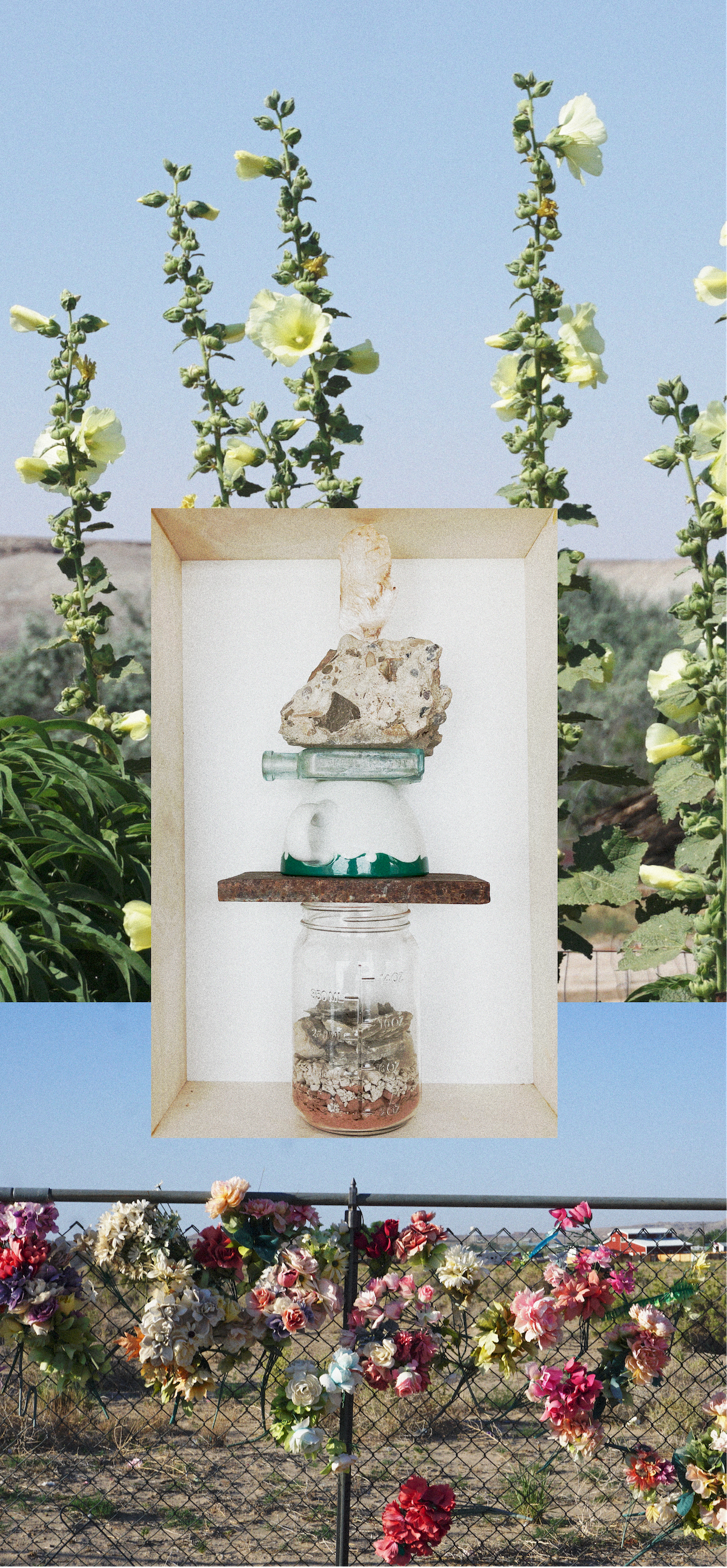
The Elgin Cemetery, outside of town, is a crystallization of the aesthetic forms of decor established and enacted in-town in front the yards there. Graves are decorated with the same commonly used object-forms, like whirligigs and tough metal sculptures and collections of rocks- sturdily resistant to the near-constant assault by wind and sun. The rigors of the desert are even more clearly seen in the cemetery, where no water is piped in for irrigation, so any softening breaks from flowers are accomplished using their plastic cousins. The wind blows so insistently, that anything not heavy or half buried can end up caught in the wire fenced perimeter surrounding the cemetery, which has had the effect of creating an accidental “flower wall”, where the loose plastic bouquets accumulate. Mourners are acutely aware of the wind’s activity at the cemetery, clearly invoking its constant blowing through the wind-driven whirligigs and chimes at the heads of some graves. Wind blows through these aeolian sculptures, activating movement in an otherwise still place of rest.
The finest rocks are there- collections of white quartz, banded sandstone and geodes with sparkling crystals adorn the graves from within their geologic timescales. These lovingly placed stones beautify individual graves, marking them in their abundance, edging toward an ecstasy and sanctity. The unknowable beauty of natural rock is a clear line between the in-town rock gardens and the cemetery’s spiritual message- rock precedes and will exceed all of us soft bodies.
Ok, now what?
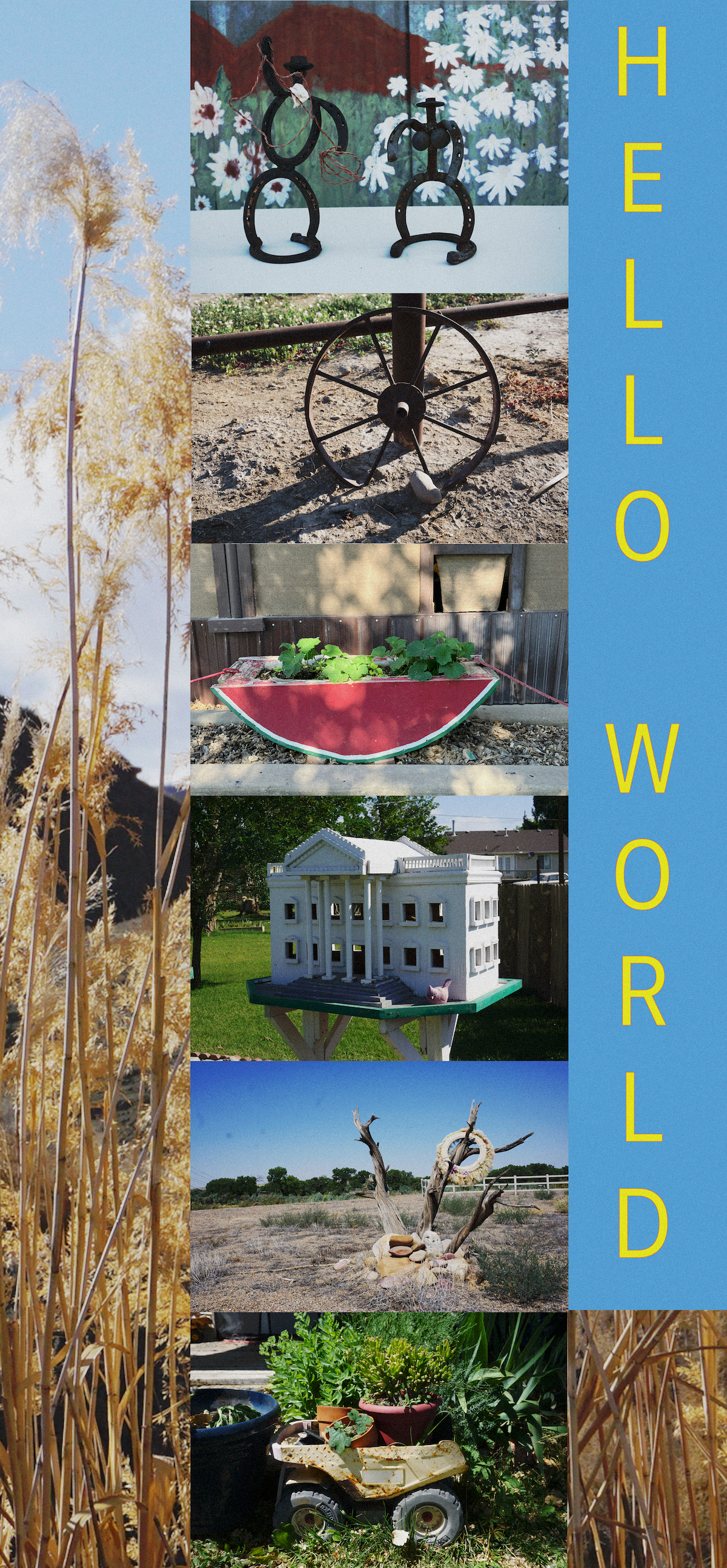
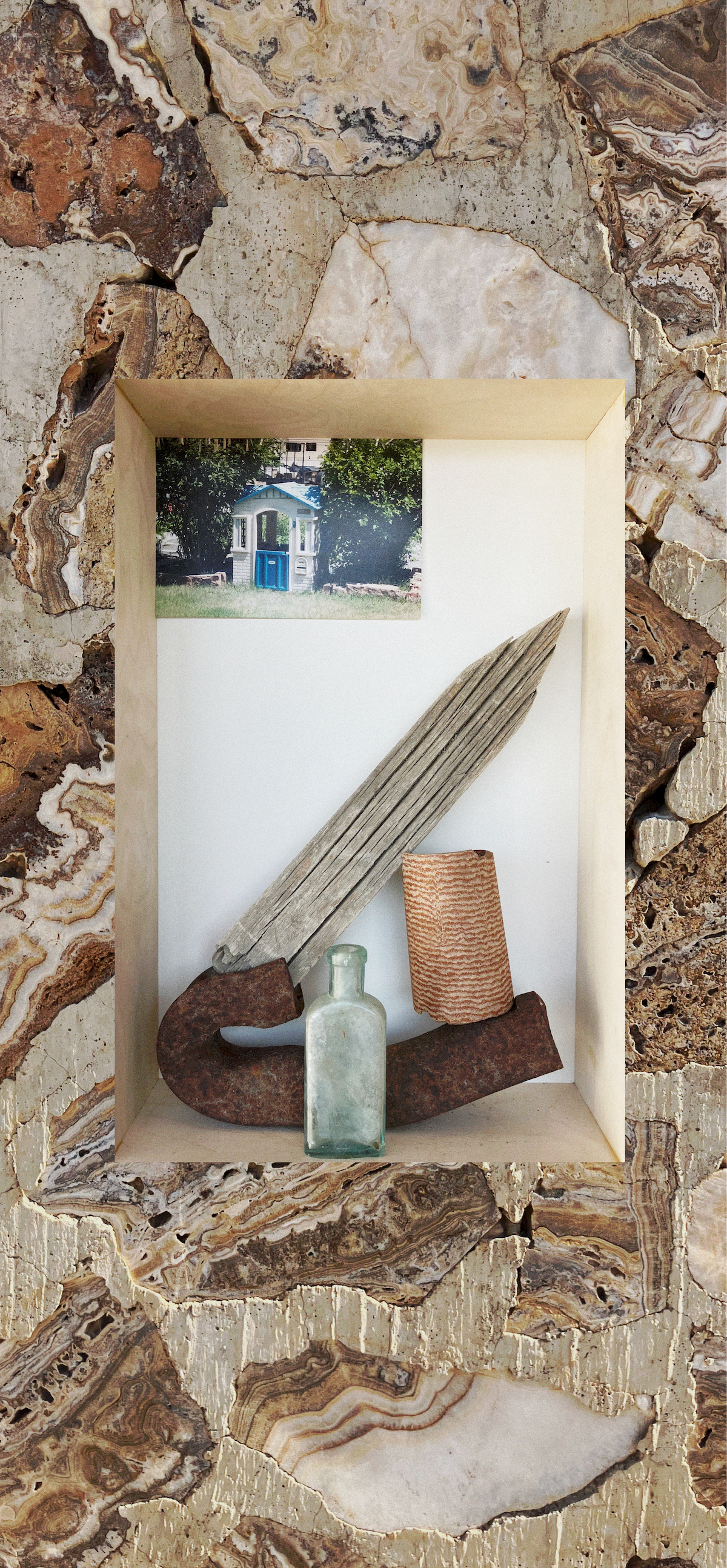
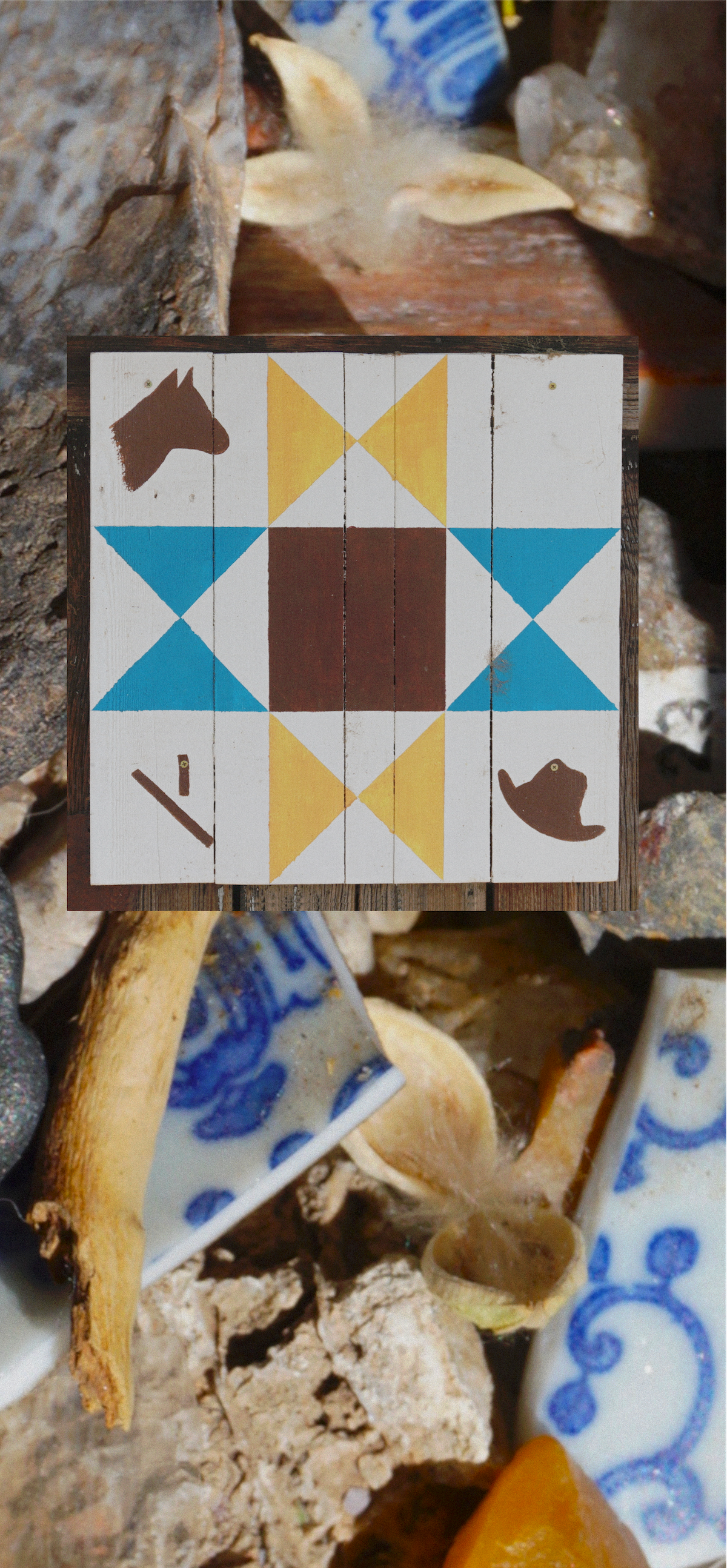
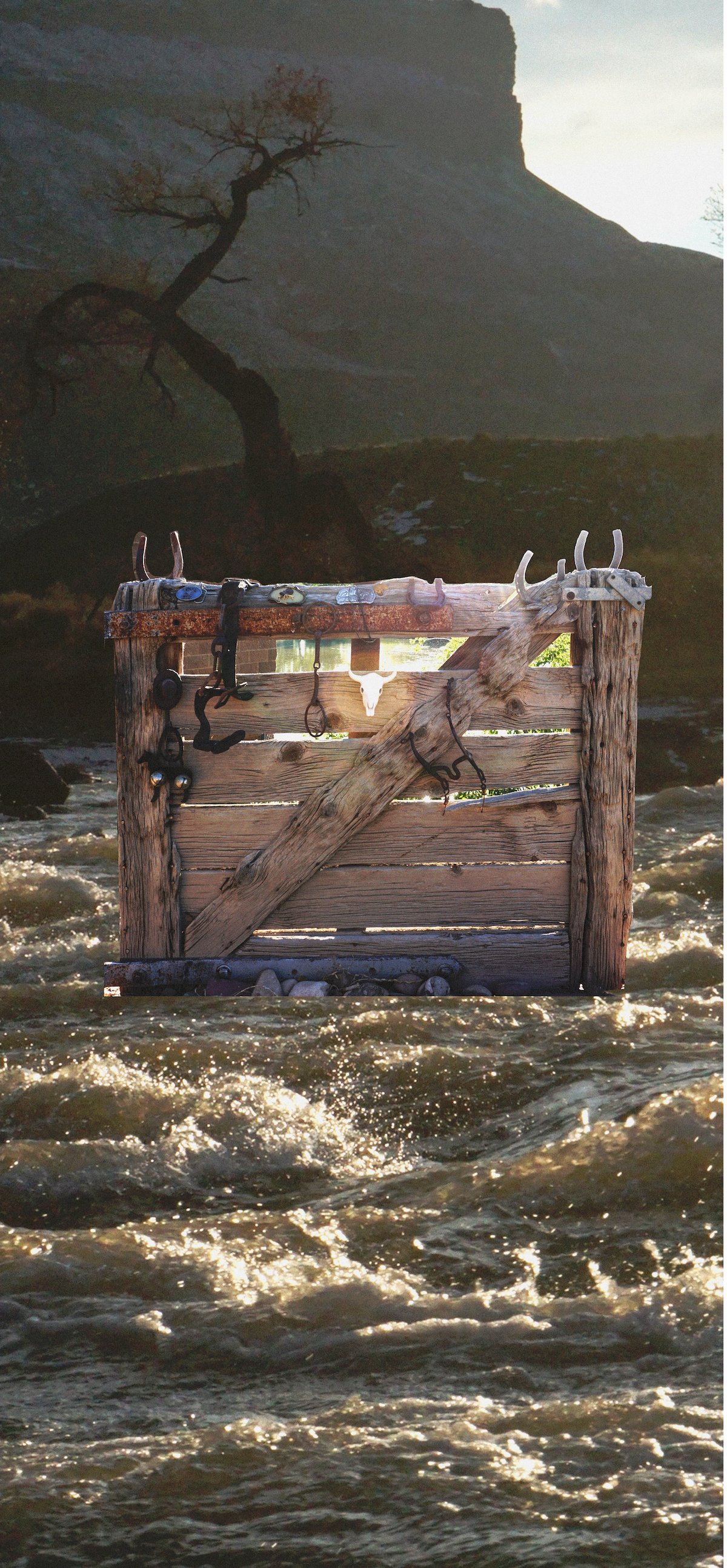
From my initial planning epiphanies and proposal I did end up going with a series of photo collages printed onto vinyl banners to be hung up on the main drag through Green River. In these photo collages I was able to zoom in on tiny details, like a collection of ceramic shards and stones and cottonwood seeds from Amy’s yard, and layer that with a photo of a quilt square wall painting from Gayna’s; or take a photo from Crystal Geyser and patchwork one of Char’s son’s old cars into it. This lightweight approach to virtual landscaping really delighted me, allowing for some free-association and tender appreciation of these colors, textures, shapes and scenes from Green River. I also had a friend build some shadowboxes for me, and in them I made arrangements of objects like bricks, railroad spikes, stones, horseshoes, glass bottles, and ceramic shards from Green River. This was another form of “landscaping” - though closer to one of those miniature ‘Zen garden’ sand trays than an actual landscape. Those shadowbox images were collaged into backgrounds that were photos straight from the source: the yards of Green River. I printed postcards of the banners, which were bundled into sets.
During Melon Days, September 2025, I came back to Green River to hang the banners. Unlucky for me- the city’s cherry picker machine was out of commission, so I wasn’t able to get the banners hung in the spot originally intended. Instead, we did a temporary installation of them outside of Epicenter. A few weeks later we took them to Salt Lake City to show at Elpitha’s gallery at her new shop, Books and Supply. I still hope to hang the banners up on Main Street at some point. TBD! And finally, to thank the people who worked with me, who let me come through their yards and who gave incredible tours- I made each of them a trophy. I wanted to recognize how really interesting and special each yard was, and how much it meant to me that I was invited to take a look around. These gifts serve to show my appreciation.
Above: Thankfulness Trophies. High fire stoneware. Some soda-fired. September 2025.
Above: Hello, World banners installed in front of Epicenter. September 2025.
Thanks so much for reading about my project. If you are interested in talking about any of the themes in this work, or want to toss ideas around, please get in touch!