Russel Albert Daniels
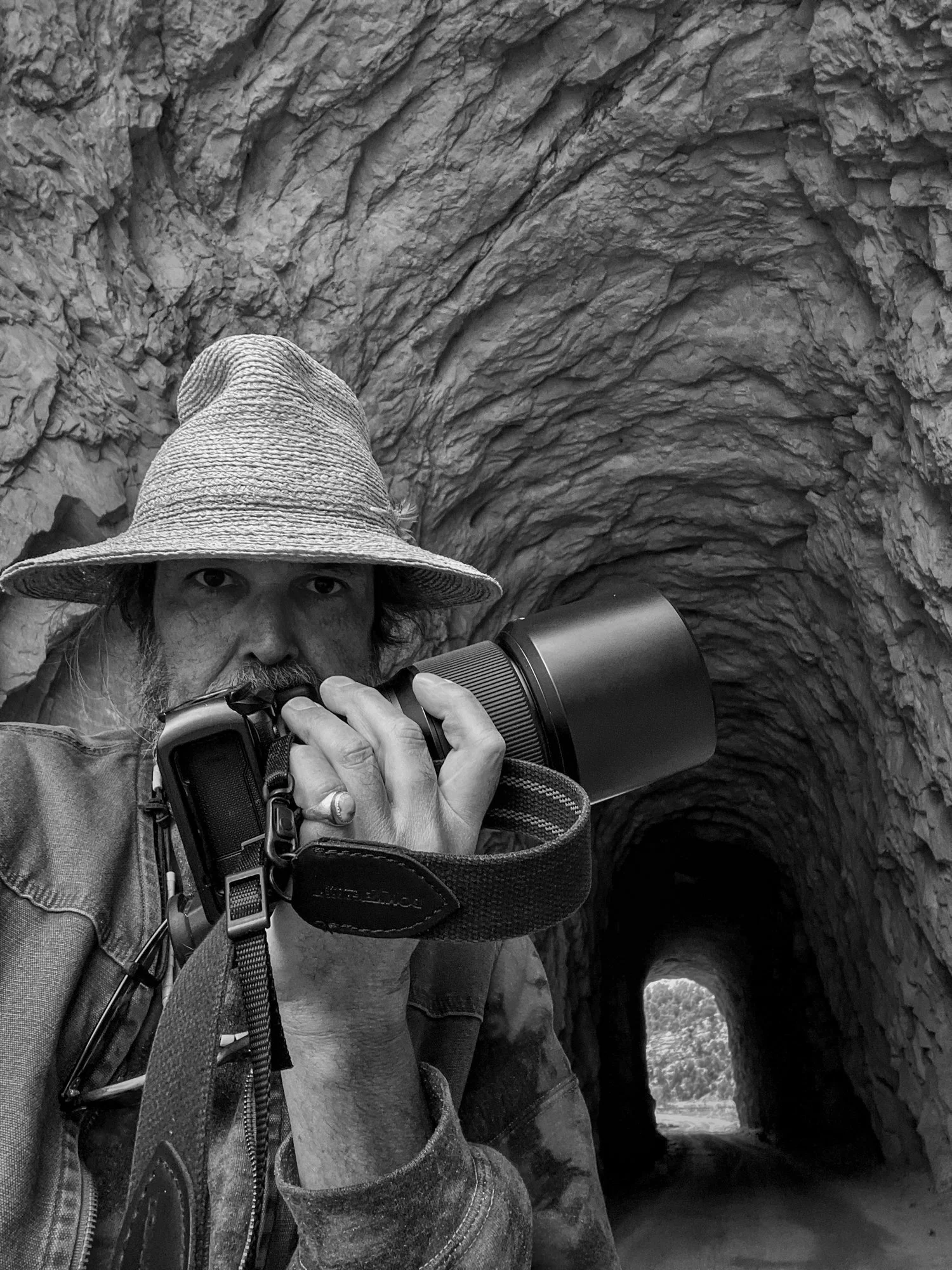
Russel Albert Daniels is a documentary photographer and multidisciplinary artist based in Salt Lake City whose work illuminates overlooked histories of the American West, with particular focus on Indigenous communities and their contemporary experiences. His ongoing project “La Cautiva” illuminates centuries of Spanish colonial and Mormon settler Indigenous captivity and enslavement in the American Southwest Borderlands through portraiture, landscape photography, and documentation of cultural performance.
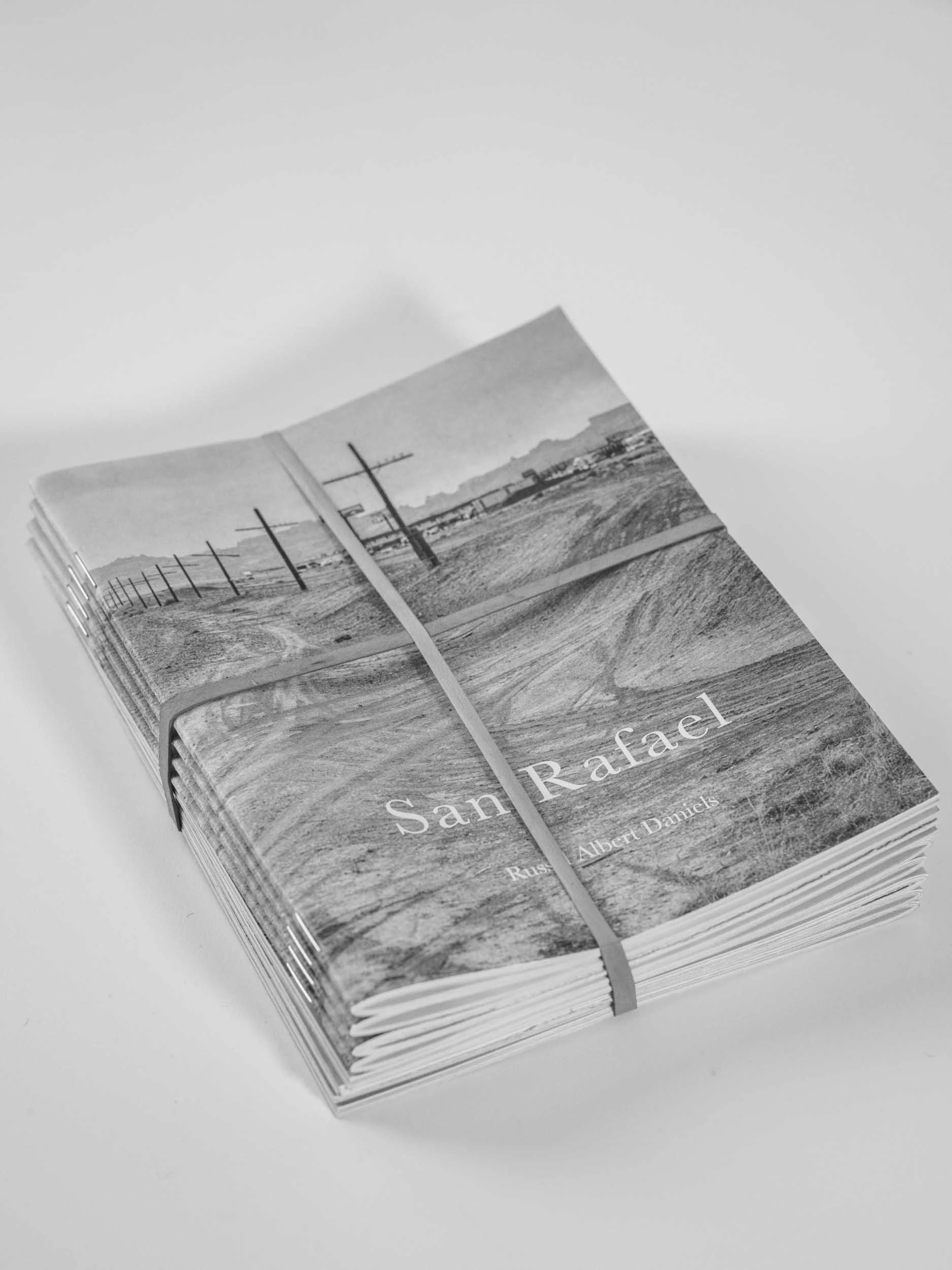
San Rafael: The Geography of Captivity
Standing along the Green River, I watched afternoon light illuminate sandstone cliffs near historic crossing points where the Old Spanish Trail crossed before pushing west through the San Rafael Swell. This moment encapsulated what this fellowship offered: dedicated time to photograph a landscape I had always passed through on my way between New Mexico, southern Colorado, and my home in Utah along the Wasatch Front.
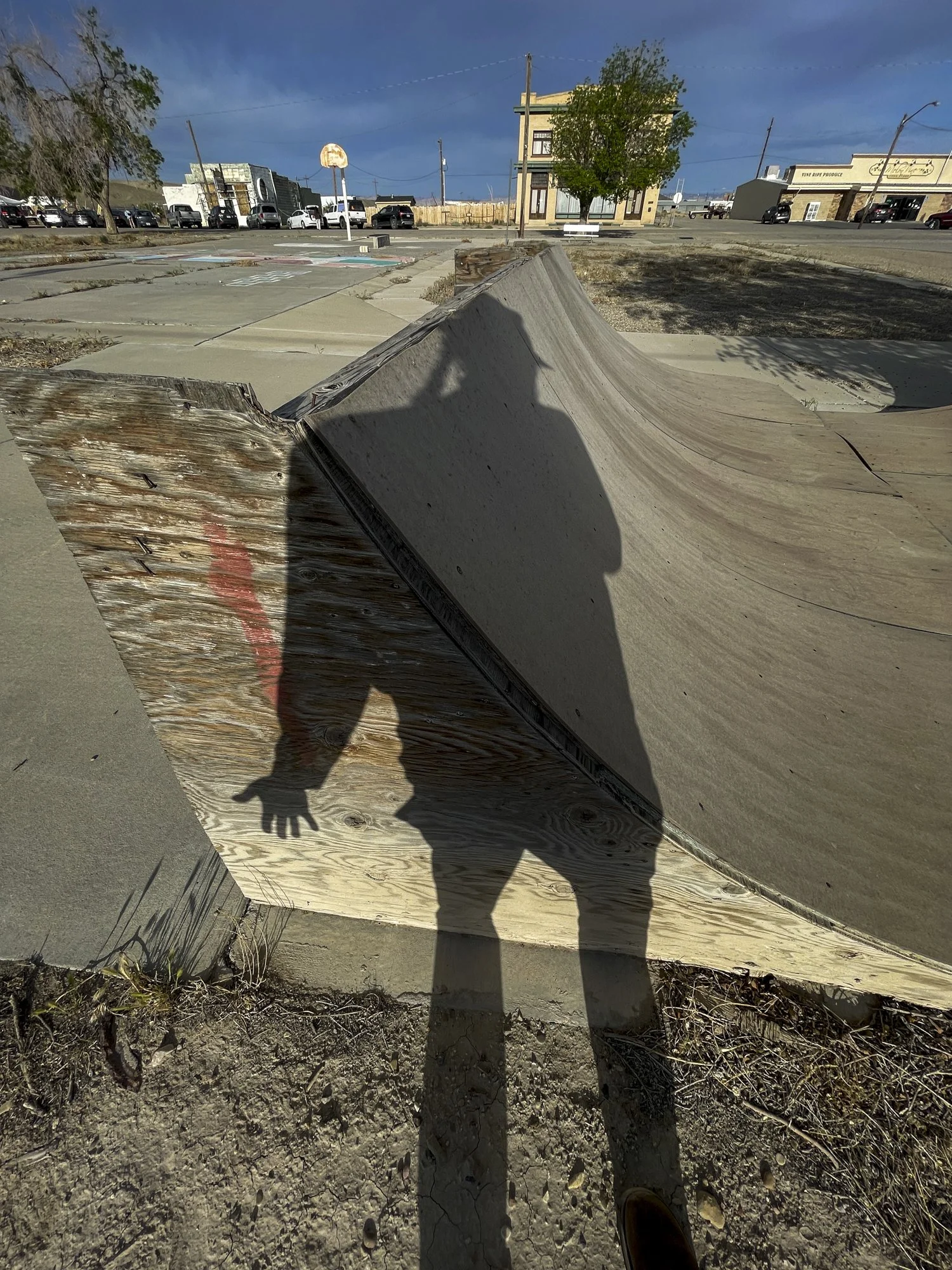
My Frontier Fellowship at the Epicenter gave me time to develop the San Rafael project, a companion to La Cautiva. Where La Cautiva documents living descendants of enslaved Native Americans in Genízaro communities in New Mexico and my family history in northern Utah, this opportunity provided me with the time to examine the infrastructure itself: the geography of captivity, the trails and crossings that facilitated the slave trade of Indigenous women and children alongside commercial trade goods. Spanish slave raids and slave trading in Utah began in the early 1700s. By the time the Old Spanish Trail became a formal trade route between 1829 and the 1850s, annual caravans transported Navajo, Ute, and Paiute captives bound for domestic servitude in New Mexican and Mormon households.
While I have documented Genízaro cultural celebrations in Abiquiú and researched my ancestor Rose's story in the Uintah Basin, the Old Spanish Trail corridor through Utah has remained unexplored in my work. Photographing near the Green River crossing became a meditation on absence and presence—on children torn from families, women stolen from communities, Indigenous lives that passed through these locations in bondage.
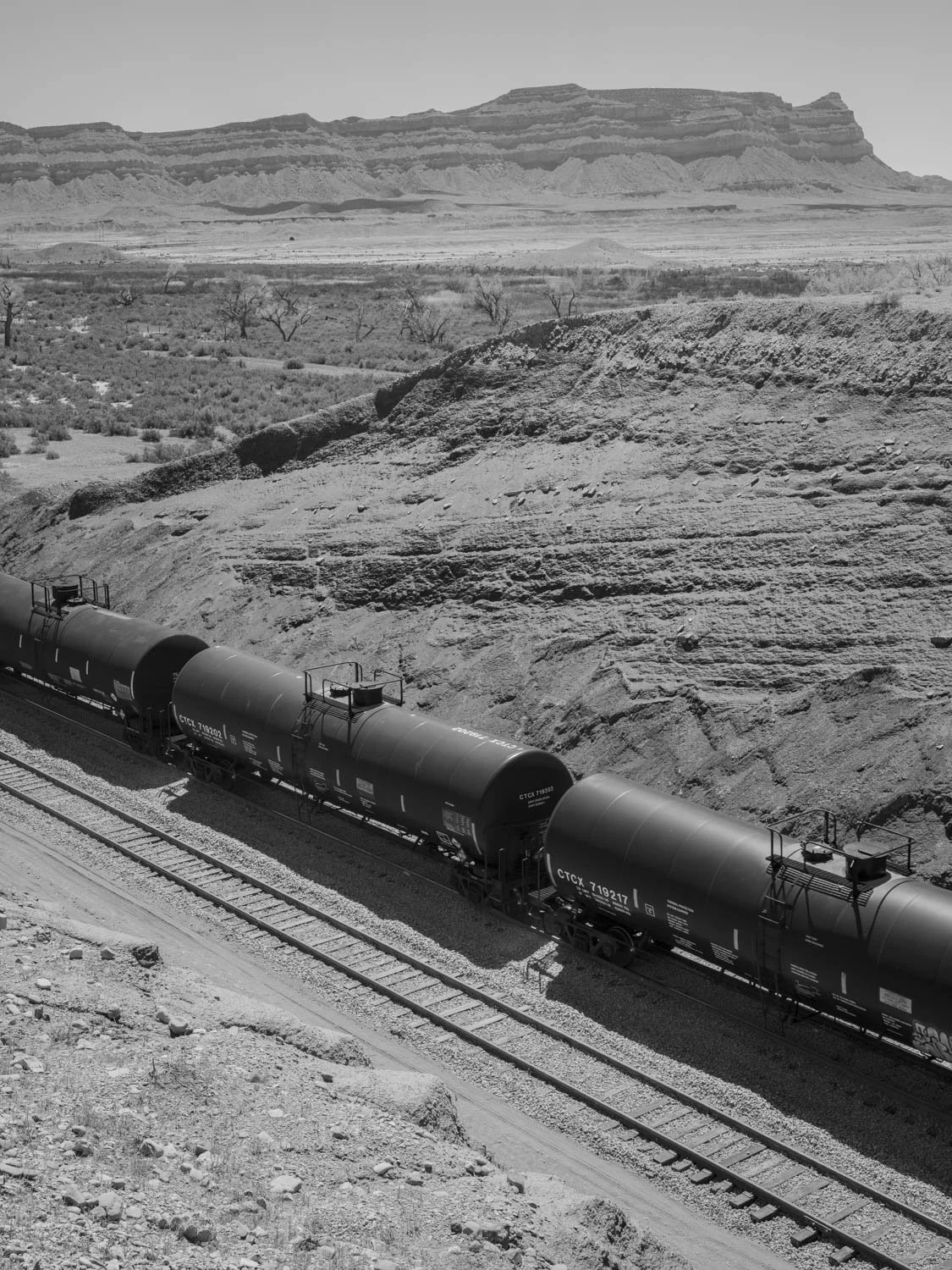
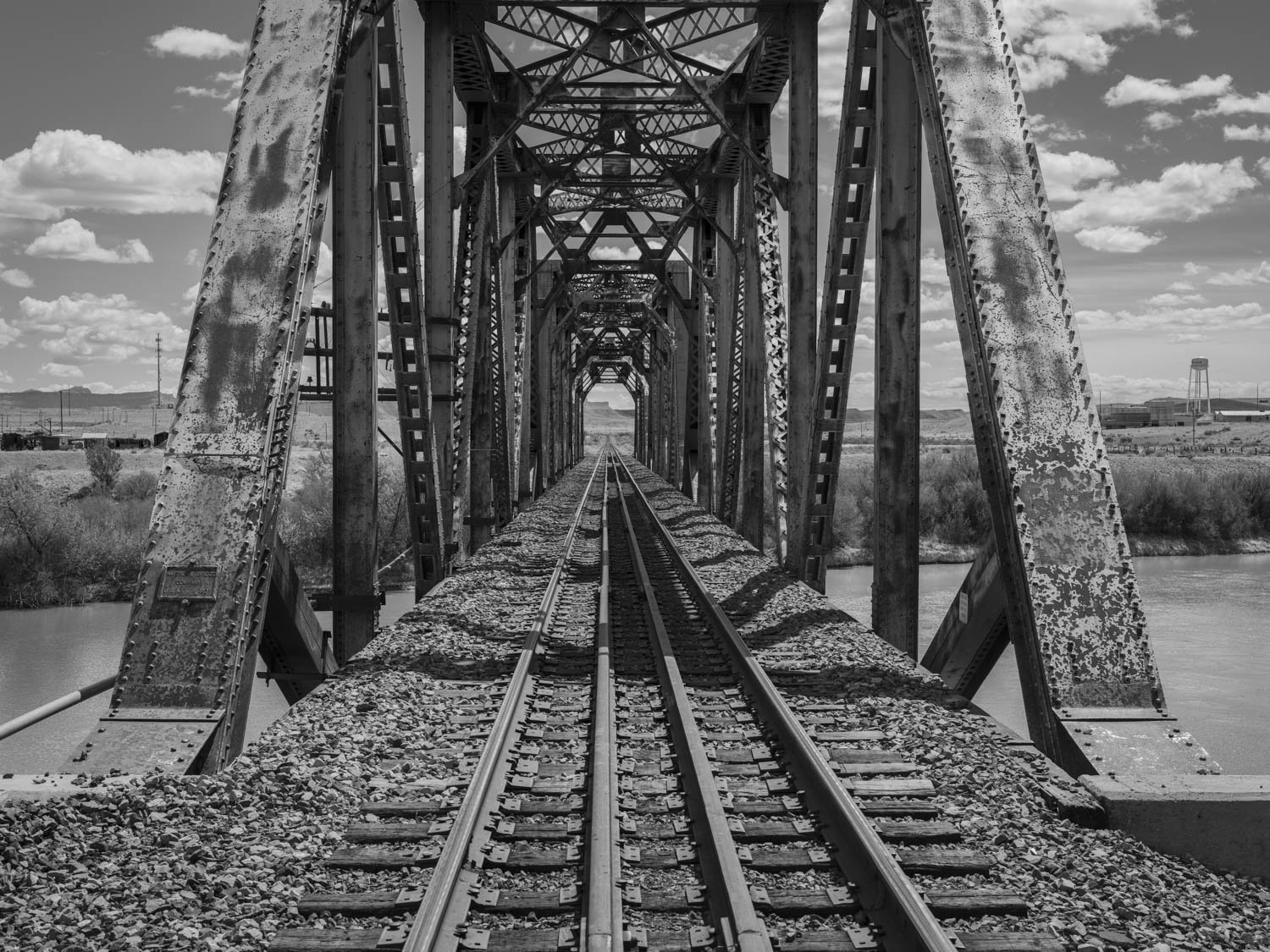
The Old Spanish Trail's markers commemorate "discovery" and trade, never mentioning this was a slave route. The San Rafael project confronts this erasure by photographing the geography of captivity. At its height, Genízaros constituted one-third of New Mexico's population. Thousands of Indigenous people passed through bondage. Their descendants deserve the truth of these routes and this history.
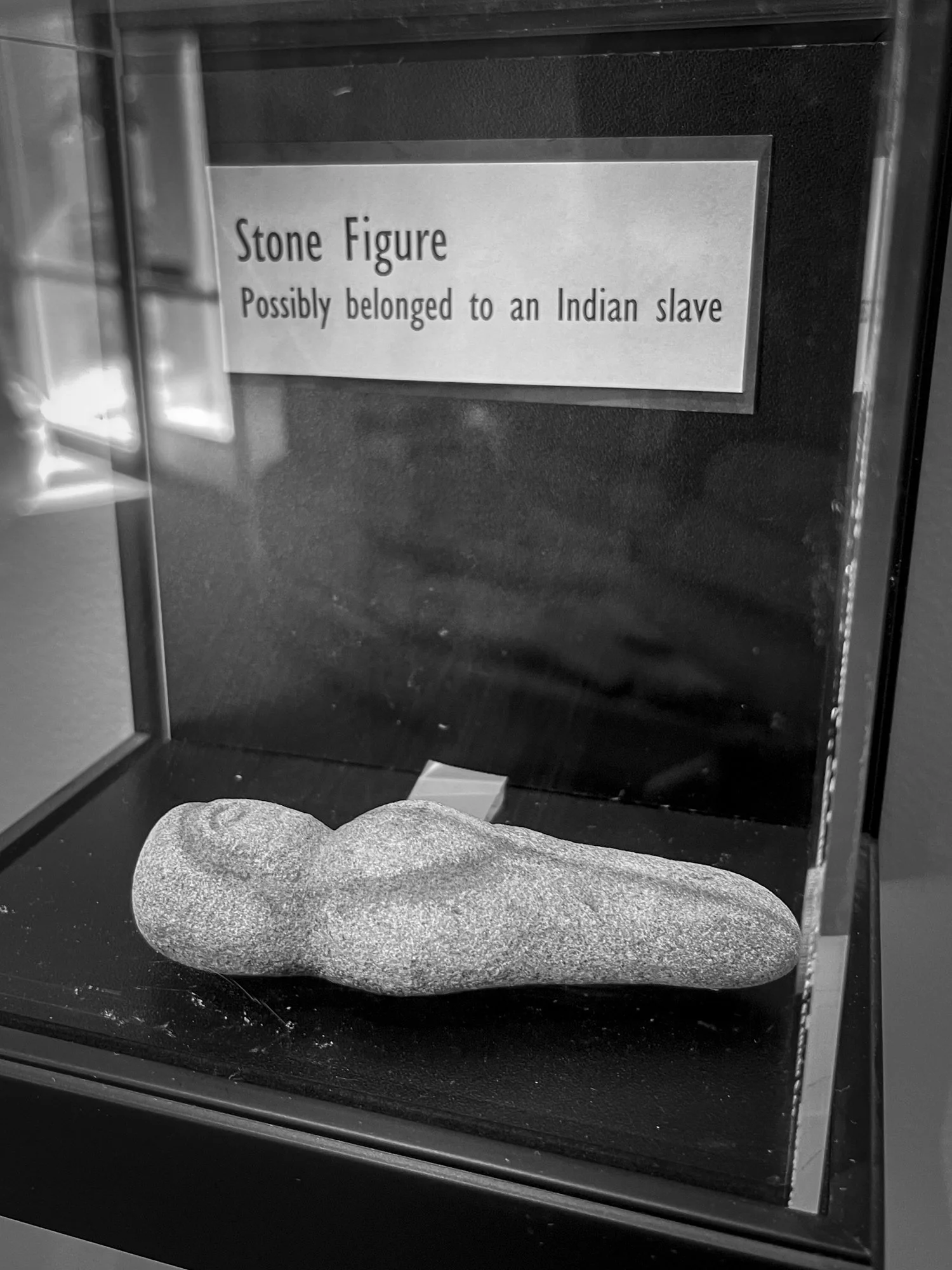
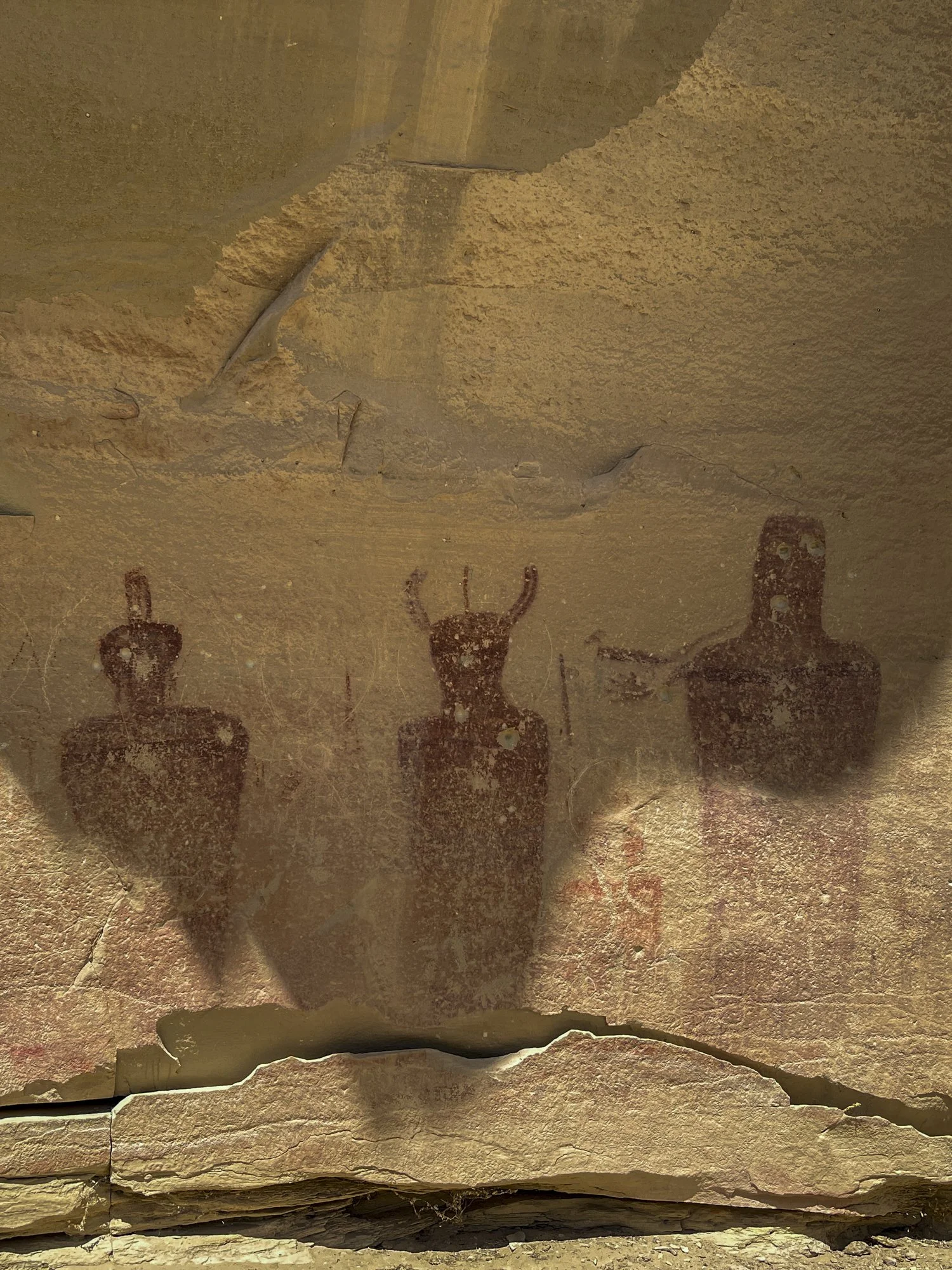
I am grateful to the Epicenter, the Warhol Foundation, and Utah Arts & Museums for the generous support and opportunity. The American Southwest cannot be understood without confronting its history of Indigenous enslavement. The trail runs through the heart of America, and so does this history.
Read an excerpt from the zine below:
II. The Spanish Entrada and Slavery's Foundations
The foundations for trafficking were laid decades before the Old Spanish Trail was formalized. By the 1750s Spanish settlers in New Mexico had forged commercial relationships with Ute bands, exchanging guns and horses for captives taken from tribes made vulnerable by these same transactions. Rivera's 1765 expedition and the Domínguez-Escalante journey of 1776 documented paths that would become corridors of captivity. By the 1820s through the 1850s New Mexican traders operated systematically along the Old Spanish Trail through the San Rafael Swell, kidnapping and trading Paiute, Ute, and Diné for slave markets in California and New Mexico. The Green River crossing became a strategic interception point. During the peak years of the 1830s and 1840s hundreds, possibly thousands, were taken along these corridors. The violence was compounded: Ute bands, armed with horses and firearms, raided neighboring Paiute and Diné communities capturing people specifically to sell to Mexican merchants. Ancient migration paths became highways for human cargo. The Old Spanish Trail sustained an economy built on three interconnected enterprises: hand-woven textiles from New Mexico, horses from California ranchos, and Indigenous captives—with women and children comprising the most valuable and systematically targeted commodity.