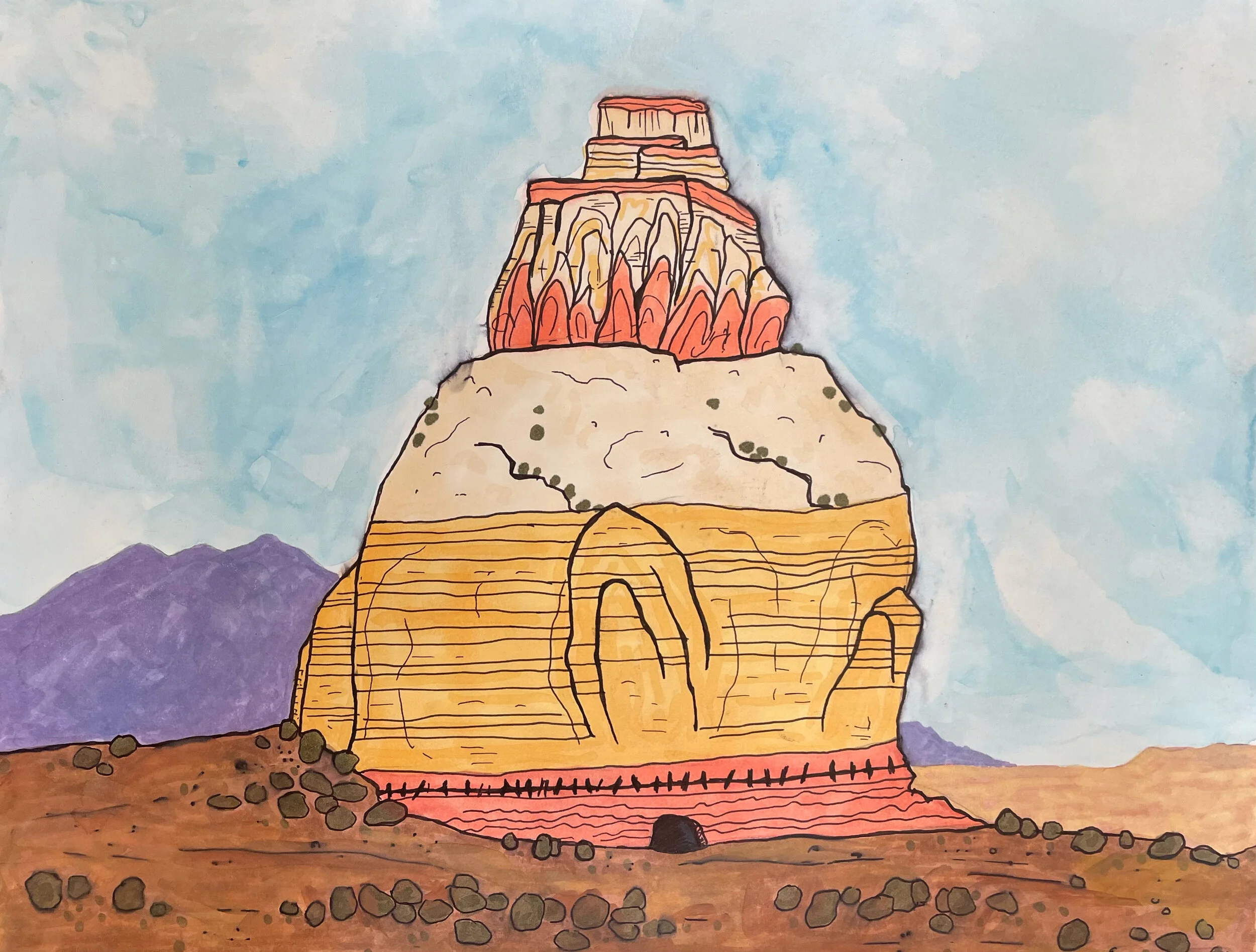
Carolina Aranibar-Fernández
Carolina Aranibar-Fernández is a Bolivian-born multi-media artist.
supernova
Beginning
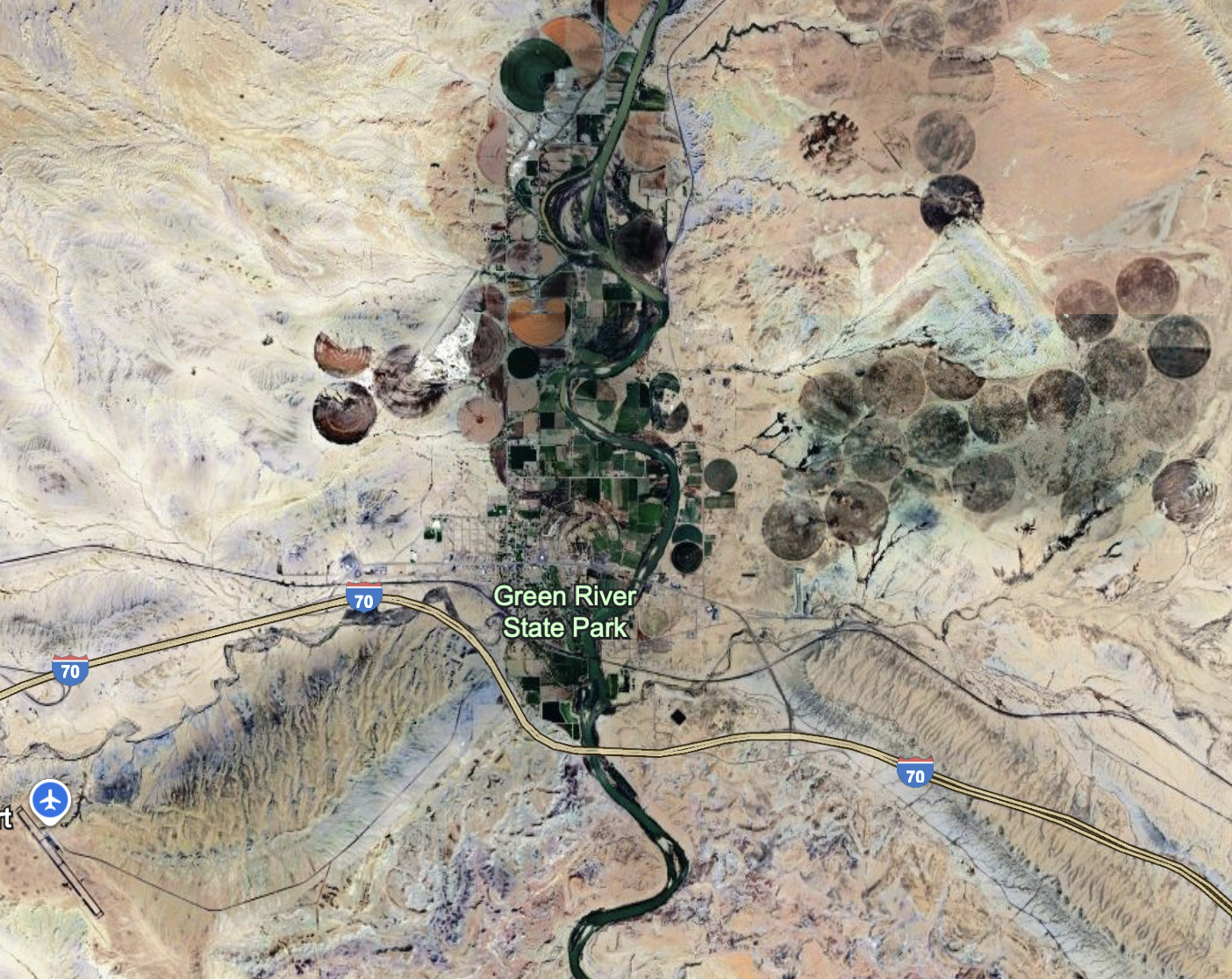
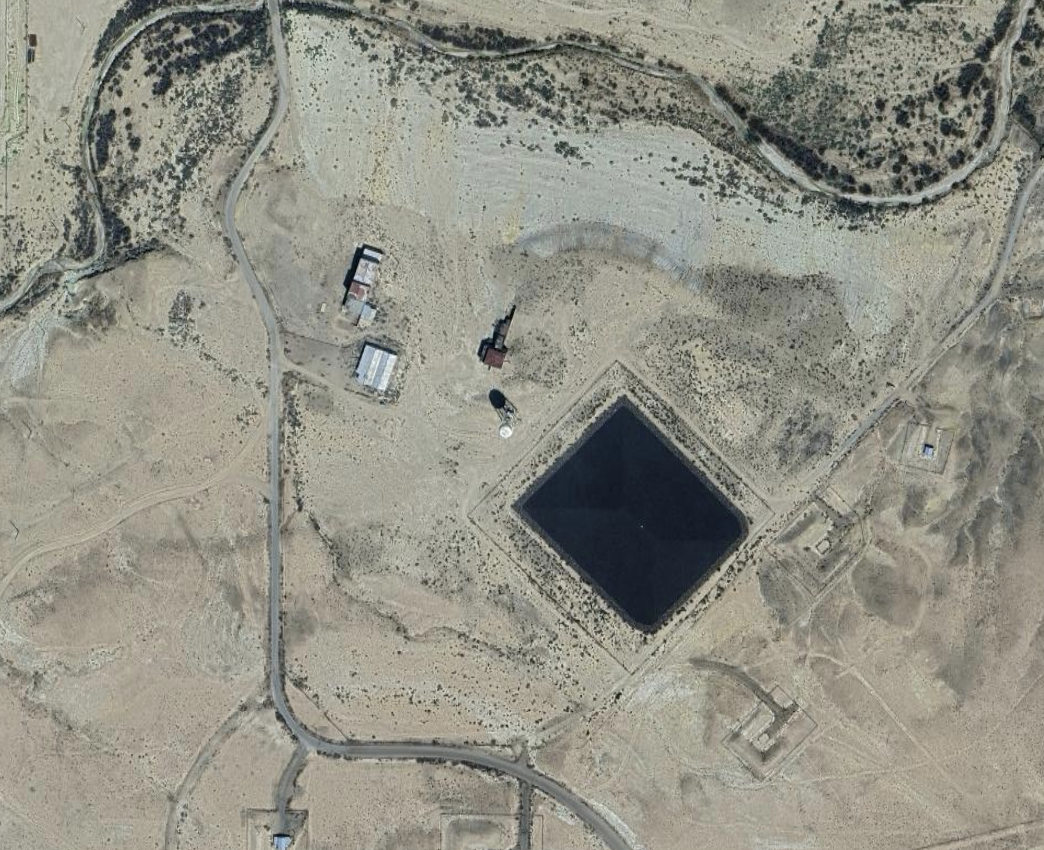
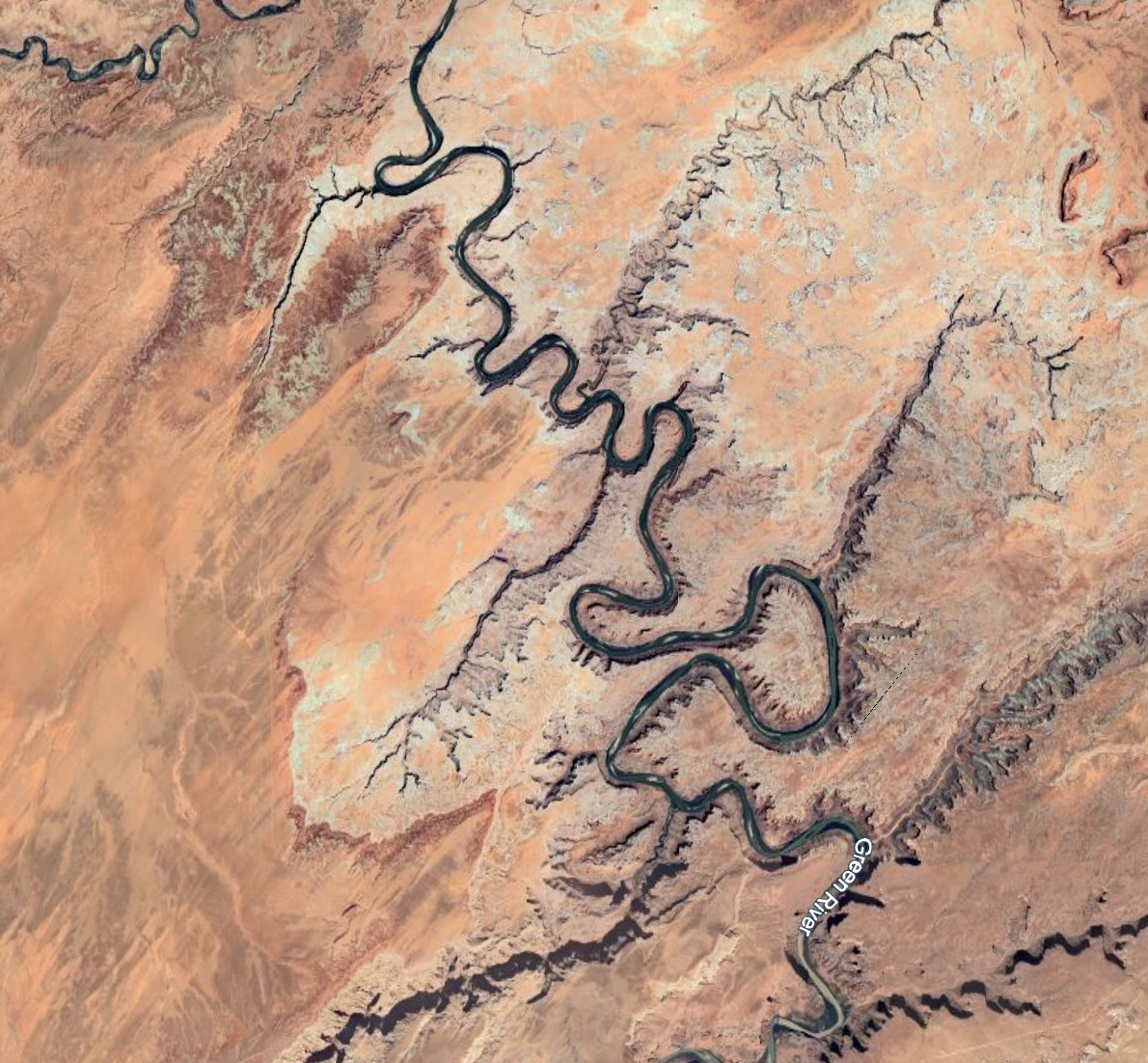
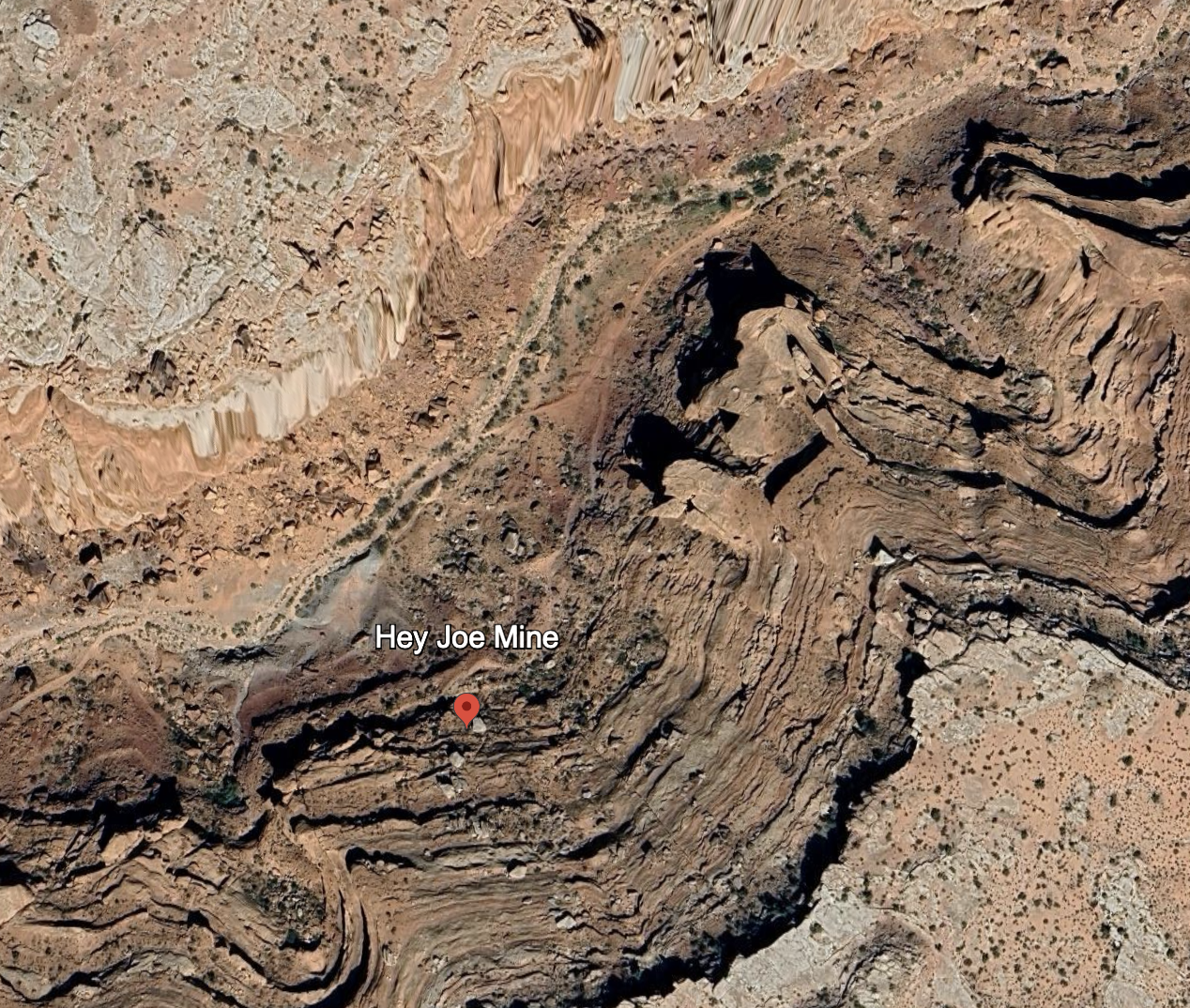
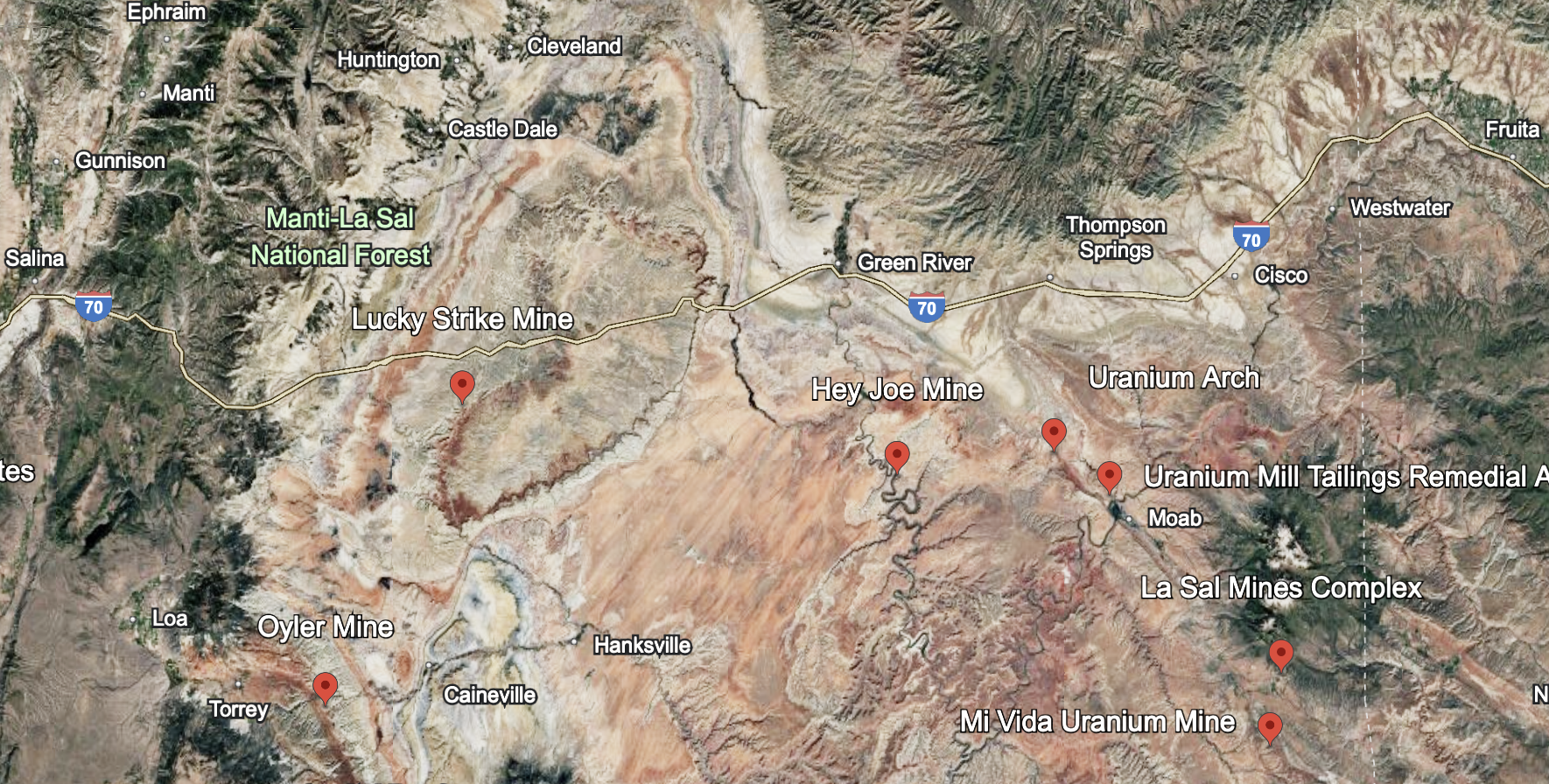
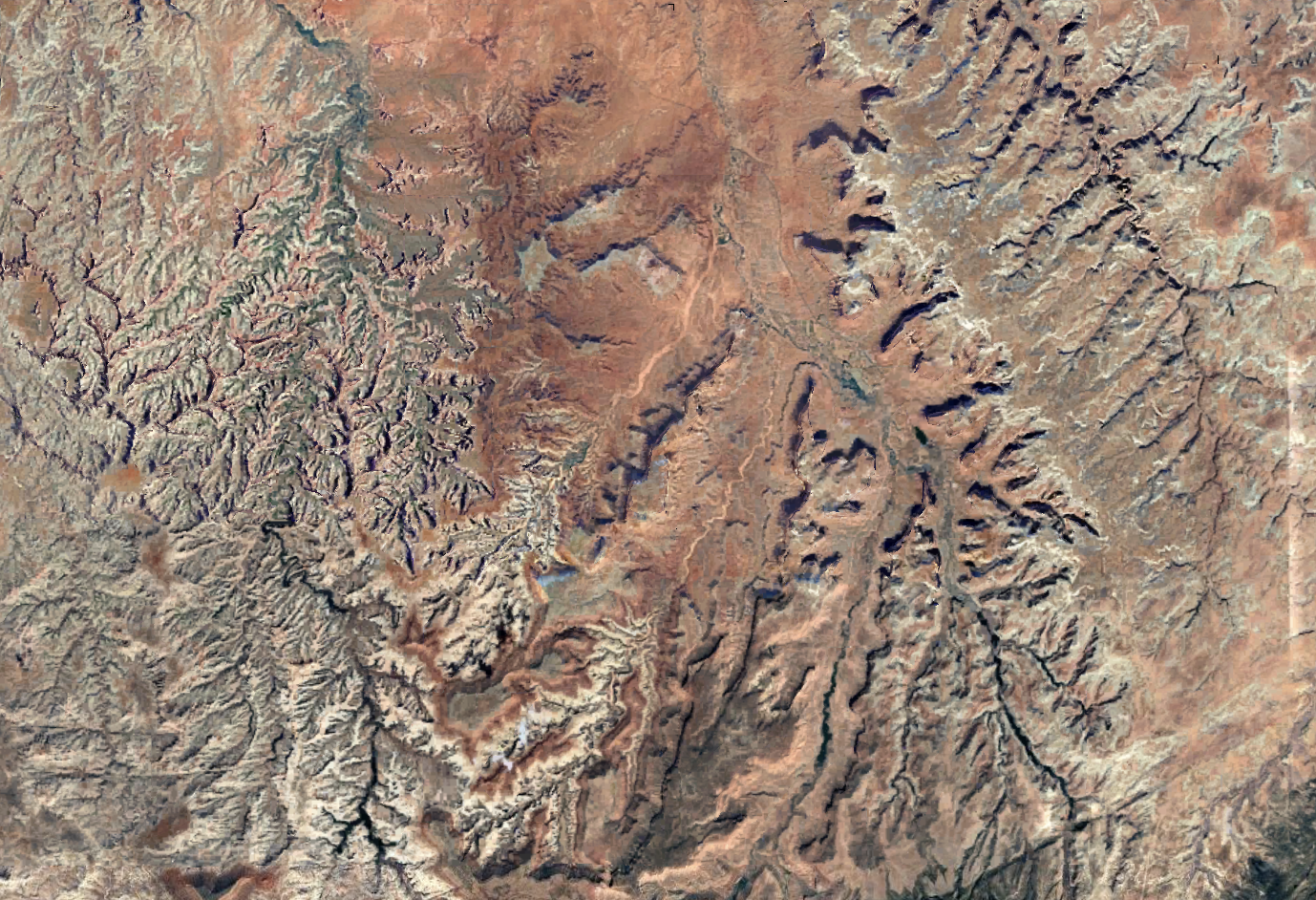
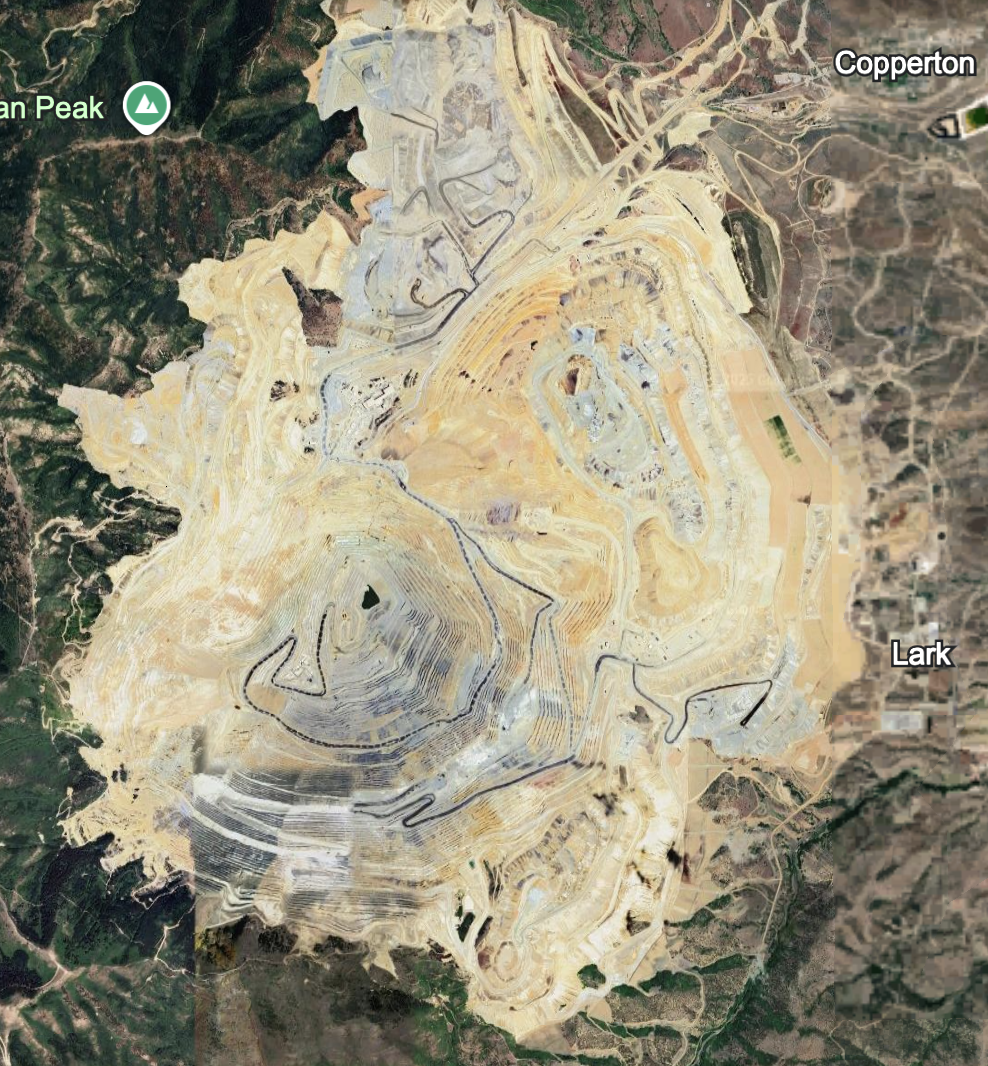
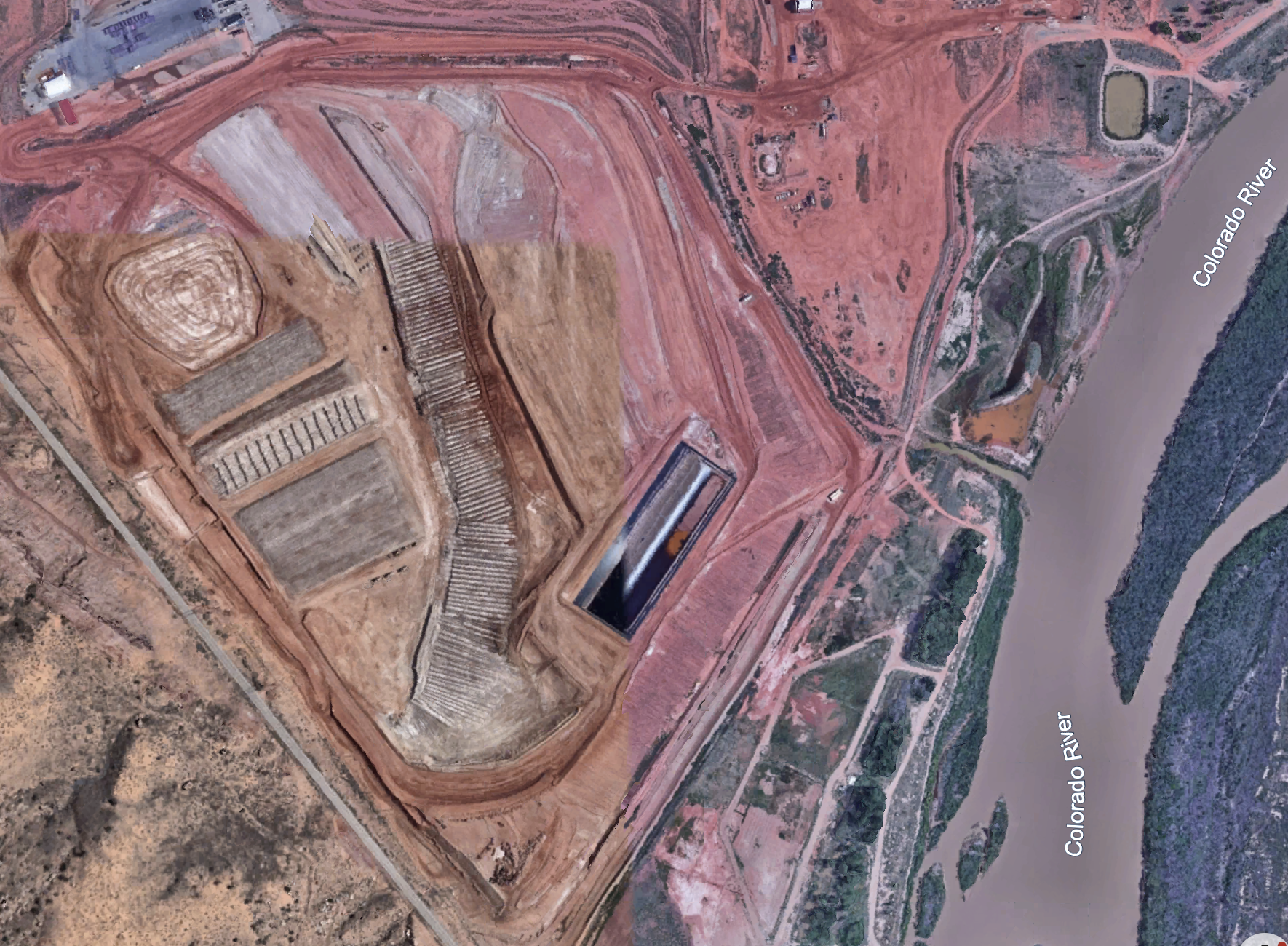
This project emerged from an investigation into Utah’s histories of mineral extraction and their relationship to land, water, and time. Because I had never visited Utah in person, my initial research relied on satellite imagery from Google Earth. While studying the state’s geography, I remember from living in Arizona, what first appears as an arid, dry expanse it is actually a very dynamic ecosystem where native plants persist and bloom, sustained by intricate and often overlooked waterways.
Rivers
As I was working on the idea for project, rivers became a focal point. Epicenter’s location in Green River, Utah, coincided with my ongoing work surrounding rivers in the Amazon jungle. Knowing I would be in Bolivia for part of the duration of the fellowship, I made the intentional decision to connect these two geographies—Utah and Bolivia—through their rivers, thinking of them as cultural, ecological, and political entities.
Cartography
Central to my process is an evolving interest in cartography, not simply as a tool for orientation, but as a method of storytelling. Inspired by Mishuana Goeman’s work on reimagining maps beyond colonial structures, I began to approach maps as living narratives. This framework challenges traditional ideas of land division and ownership and instead a path toward mapping through memory, movement, and relationality.
Bolivia
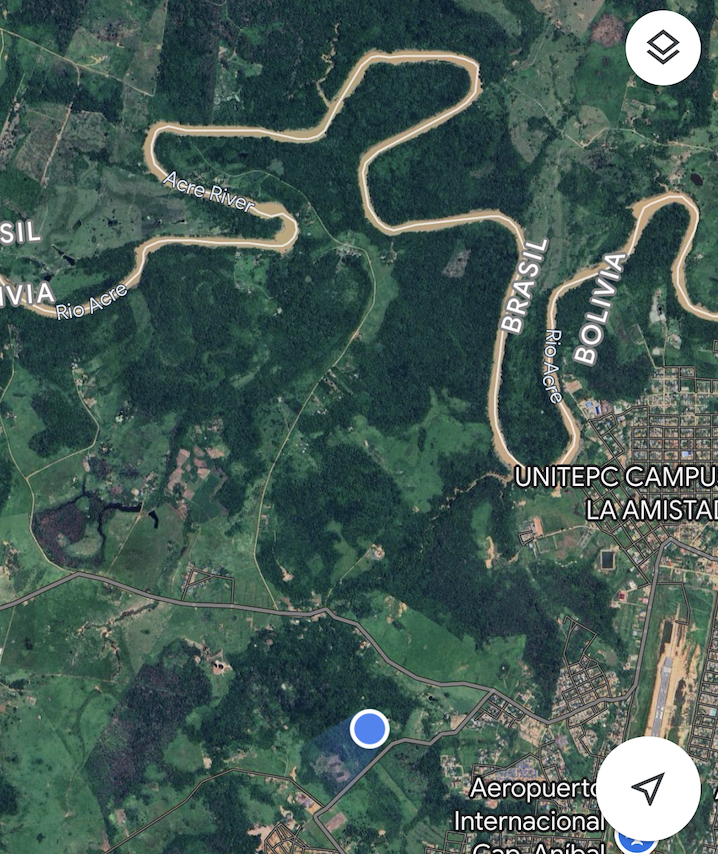
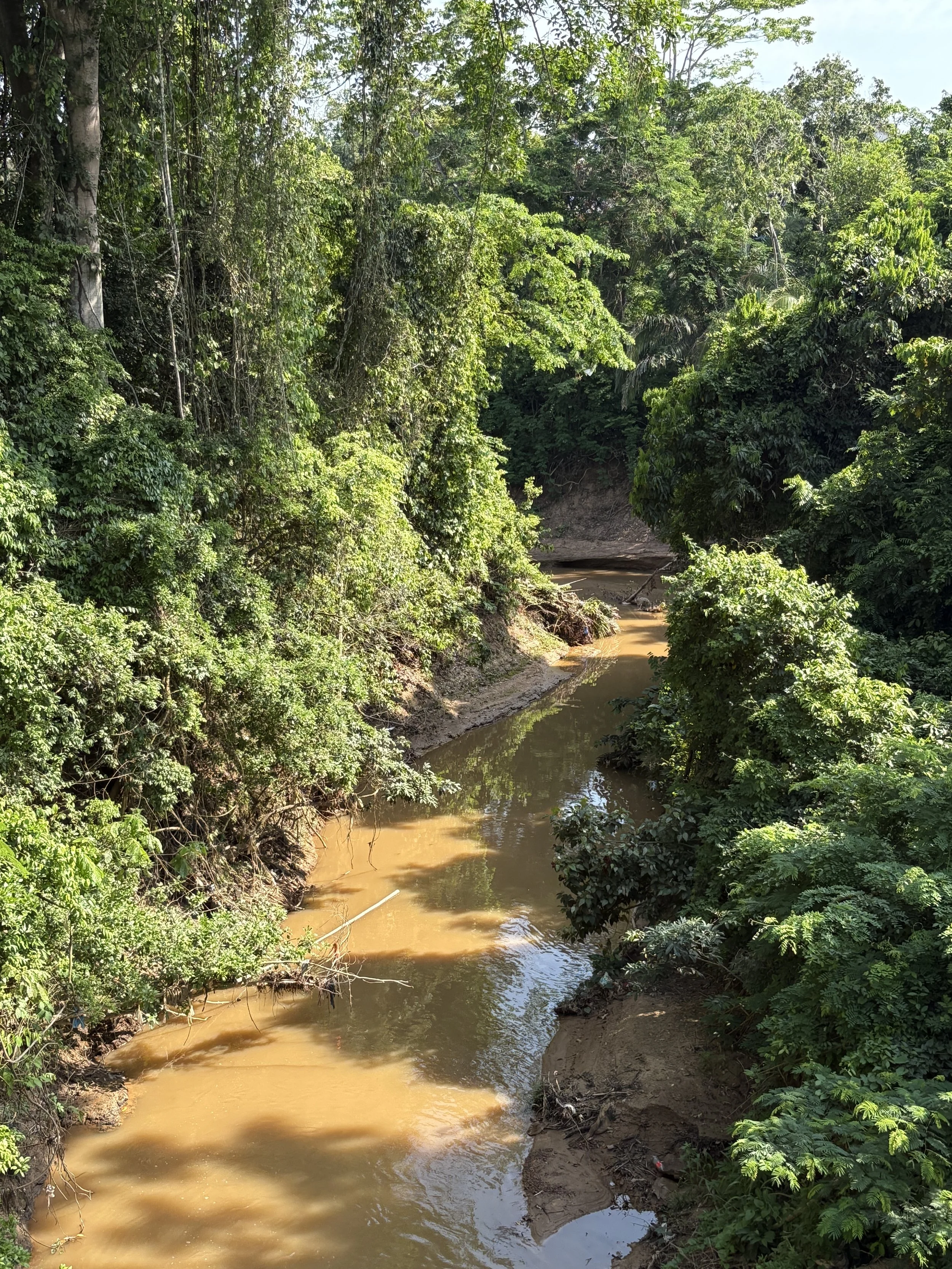
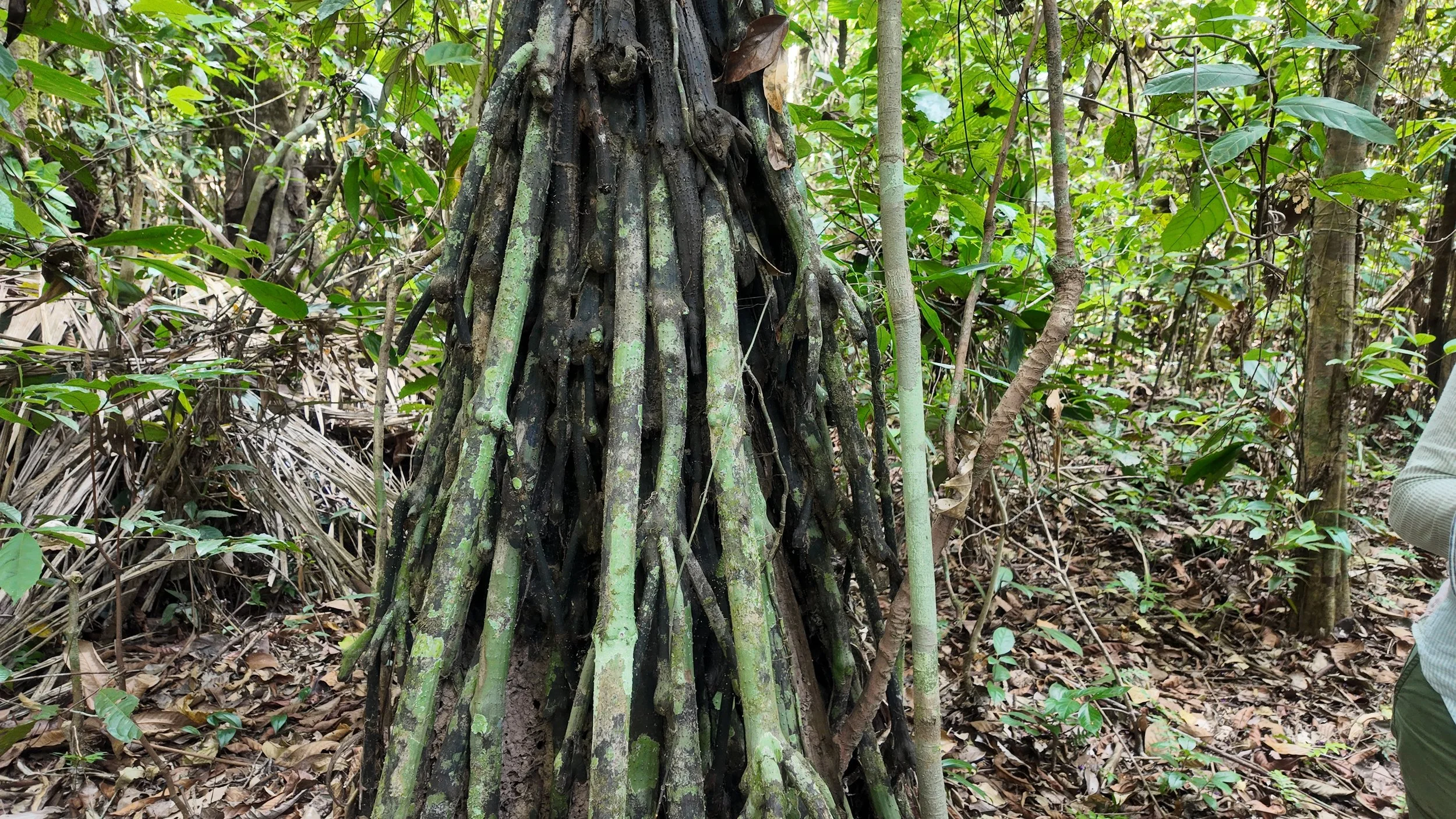
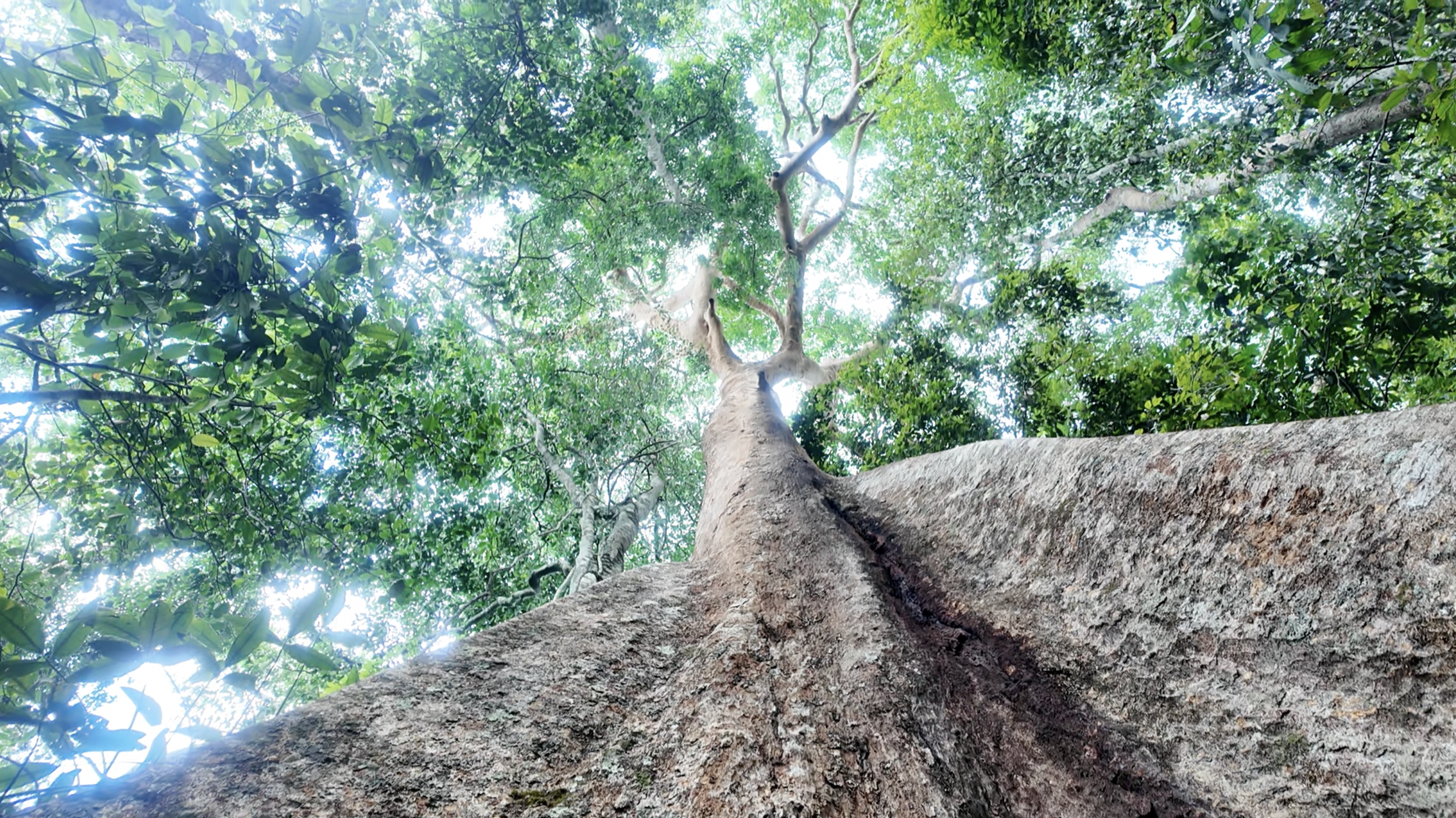
While I was in Bolivia, I traveled to Cobija, on the Amazonian border with Brazil, where I documented the Acre River. This river sustains biodiversity and local communities, yet it also bears the scars of extractive industries that contaminate and pollute its waters. The Acre River acts as a human-imposed border between Brazil and Bolivia—a reminder that rivers themselves do not create divisions, humans do.
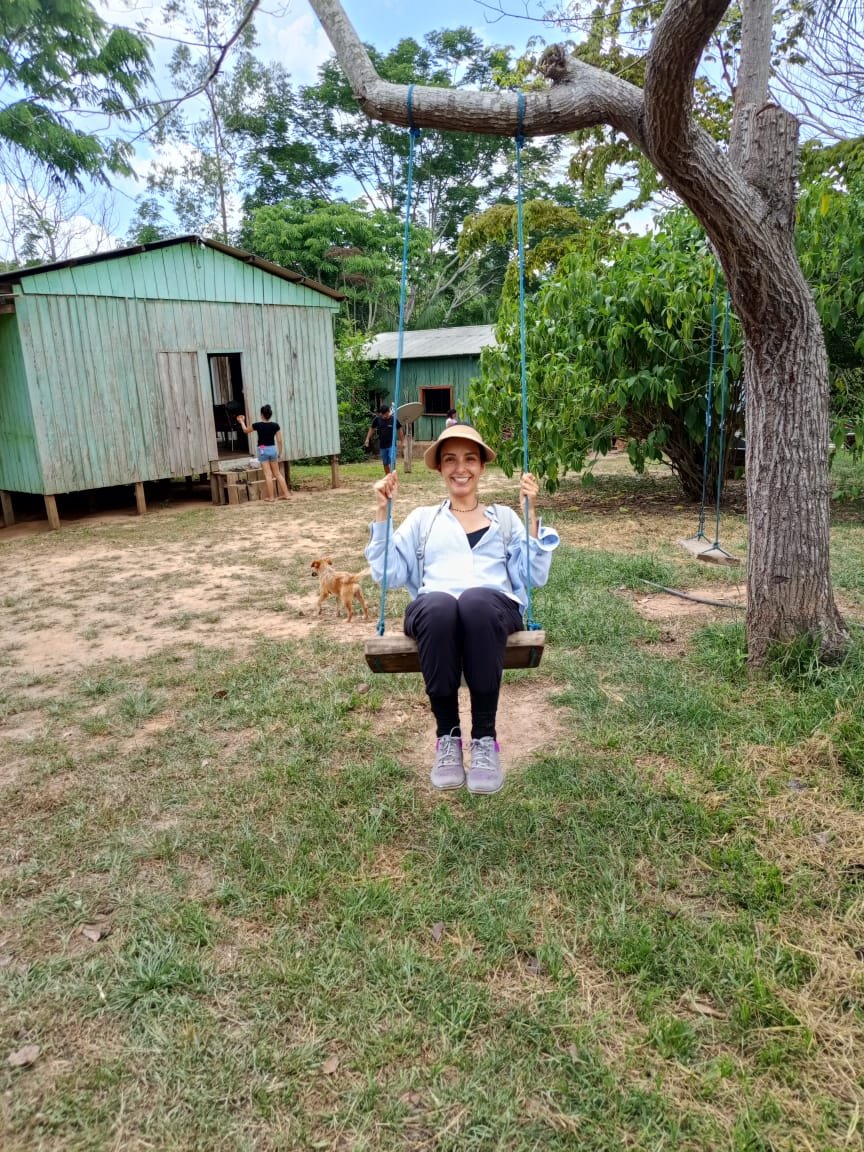
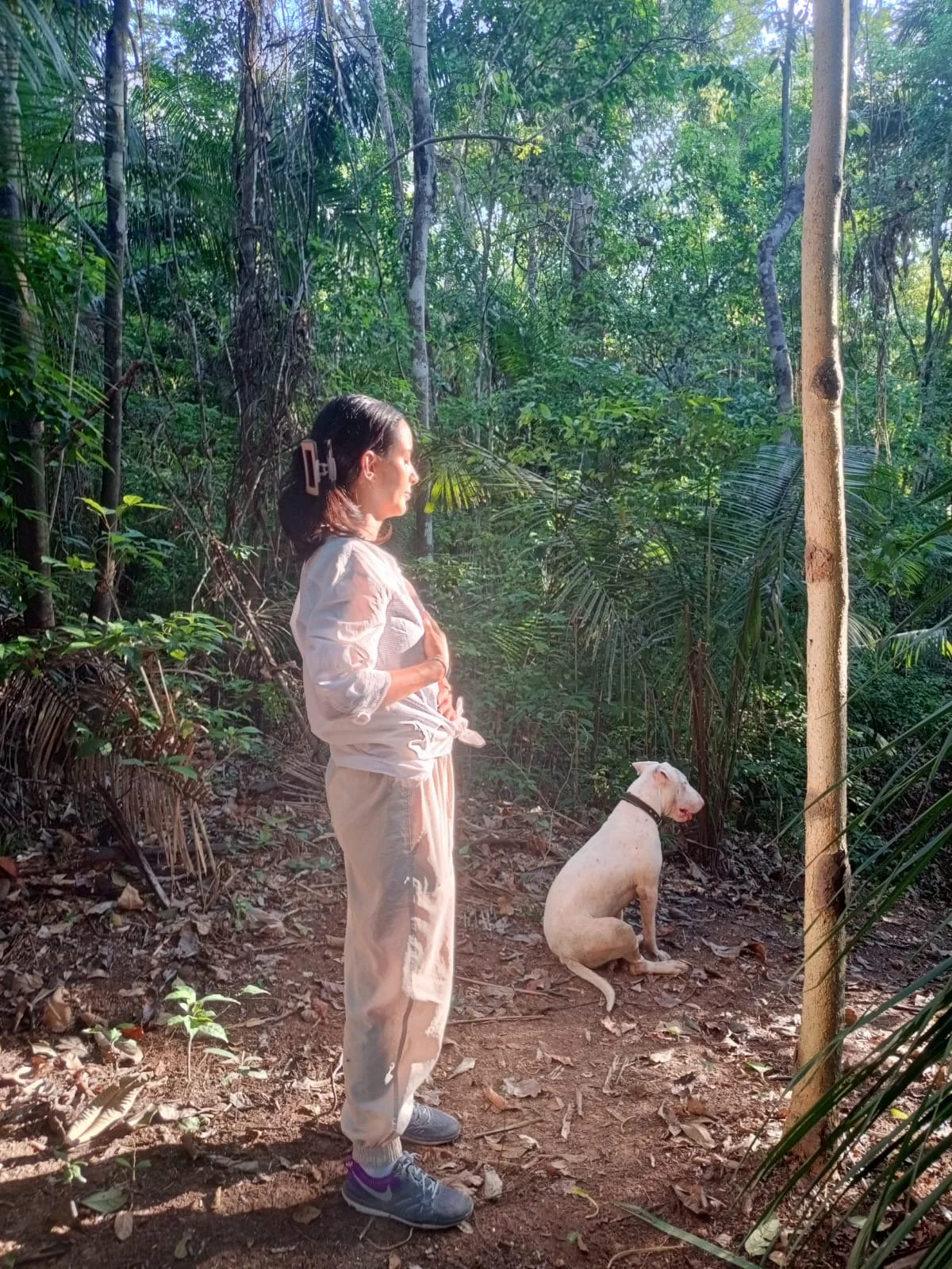
During this visit, I met forest guardians on both sides of the border who are dedicating their lives to the protection of biodiversity. Their work highlighted the forests as temporal archives—landscapes where one can visibly perceive the passing of time through ecosystems, growth cycles, and environmental change.
Utah
Later, I visited Green River, Utah, encountering the landscape that had previously existed only through digital maps. The experience was striking. The river carried a sense of enchantment, while the abandoned uranium mines and tailings felt unsettling to me. In Utah, the land itself became a timeline—desert formations, minerals, and dinosaur fossils all revealed the deep origins of matter. The awareness that elements and minerals come from stars connected geological, ecological, and cosmic time.
Following images: I took in Utah.
Project
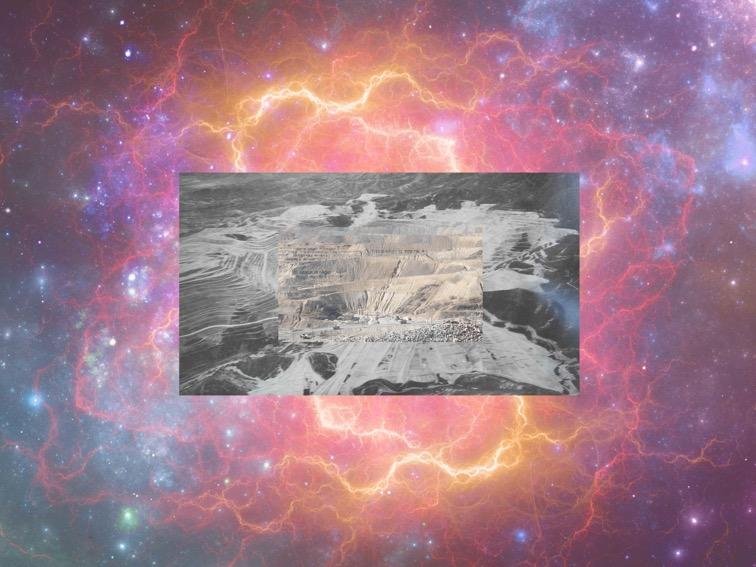
My first ideas were to focus on plants that support the healing of the land and water in both Bolivia and Utah. However, being present in the Amazon Jungle and in Utah—these encounters shifted the conceptual direction of the project. Time—cosmic, geological, ecological, and human—became the focus. Using cartography as oral and experiential mapping, tracing the ways stories, rivers, and landscapes carry histories we can often ignore. Time became important for the project, and I started to think about the beginning of time the stories of extracted minerals, like uranium and it took me to the creation and explosion of a SUPERNOVA star. The inspiration of this project begins in the millions of years that passed during the creation of the supernova.
Final Work
The completed work consists of:
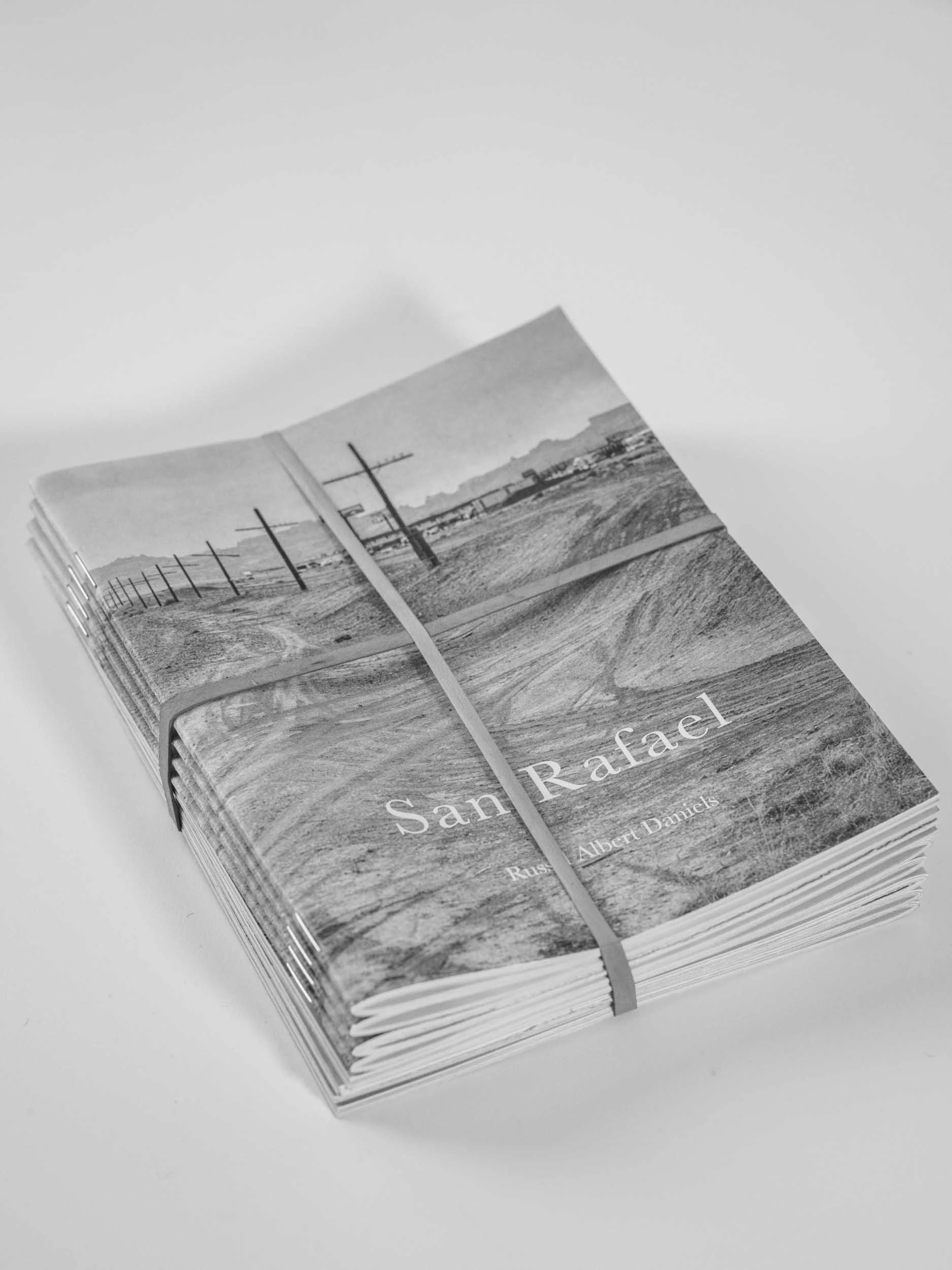
A printed piece composed of twelve photo pieces with text, a series presented in a custom-made box.
A four-minute video created with footage from Utah, Bolivia, and Brazil.
Together, these articulate visually and verbally a narrative about rivers, minerals, extraction, and our place within the universe. The project reflects on the belief that humans position themselves above other beings, acting as though the land is a possession rather than a shared existence. We continue to wound the earth—and each wound is ultimately a wound to ourselves and to all living systems.
Rivers carry stories, deserts hold time, and elements on the earth and in our bodies retain the memory and energy of the universe and the stars. By engaging with Utah and the Amazon through cartography, fieldwork, and visual media, the work challenges extractive ways of relating to land and proposes that we remember our interdependence with the world we inhabit, and to tap deep into the memories that the land and universe carry.
Gratitude for the support to be able to make this project, which I feel is the beginning of multiple ideas and future projects.
Process image from video
Final printed pieces
Screenshot of video which is projected on a fabric with a supernova digital print.
Reflection
This project has been an unexpected journey through land, memory, and time. What began as an exploration of mineral extraction in Utah unfolded into a deeper contemplation of rivers, borders, and time. Moving between Utah and the Amazonian forests of Bolivia and Brazil revealed not only contrasting ecosystems, but shared histories of extraction, resilience, and transformation. The land continues to teach me that time is present in every sediment layer, every waterway, and every living being—we are part of a story much older than our human desires.
I am deeply grateful to those who made this project possible. Thank you to Maria Sykes for trusting me, Zoe Gardner for all the support and hosting me while in Utah. Epicenter for their support and guidance throughout this process, Andy Warhol Foundation for making this financially possible. Gratitude to the guardians, researchers, and community members in Bolivia, Brazil, and Utah who shared their knowledge, and time. Gratitude to the land—its rivers, deserts, and histories—which continue to be the teachers and inspiration of my work.
Because of personal reasons I did not spend as much time with the Green River community as I planned/wished, however this makes me want to come back. This project is not an ending, but a continuation of listening. Thank you for making this possible and being part of that process.