Lares Feliciano
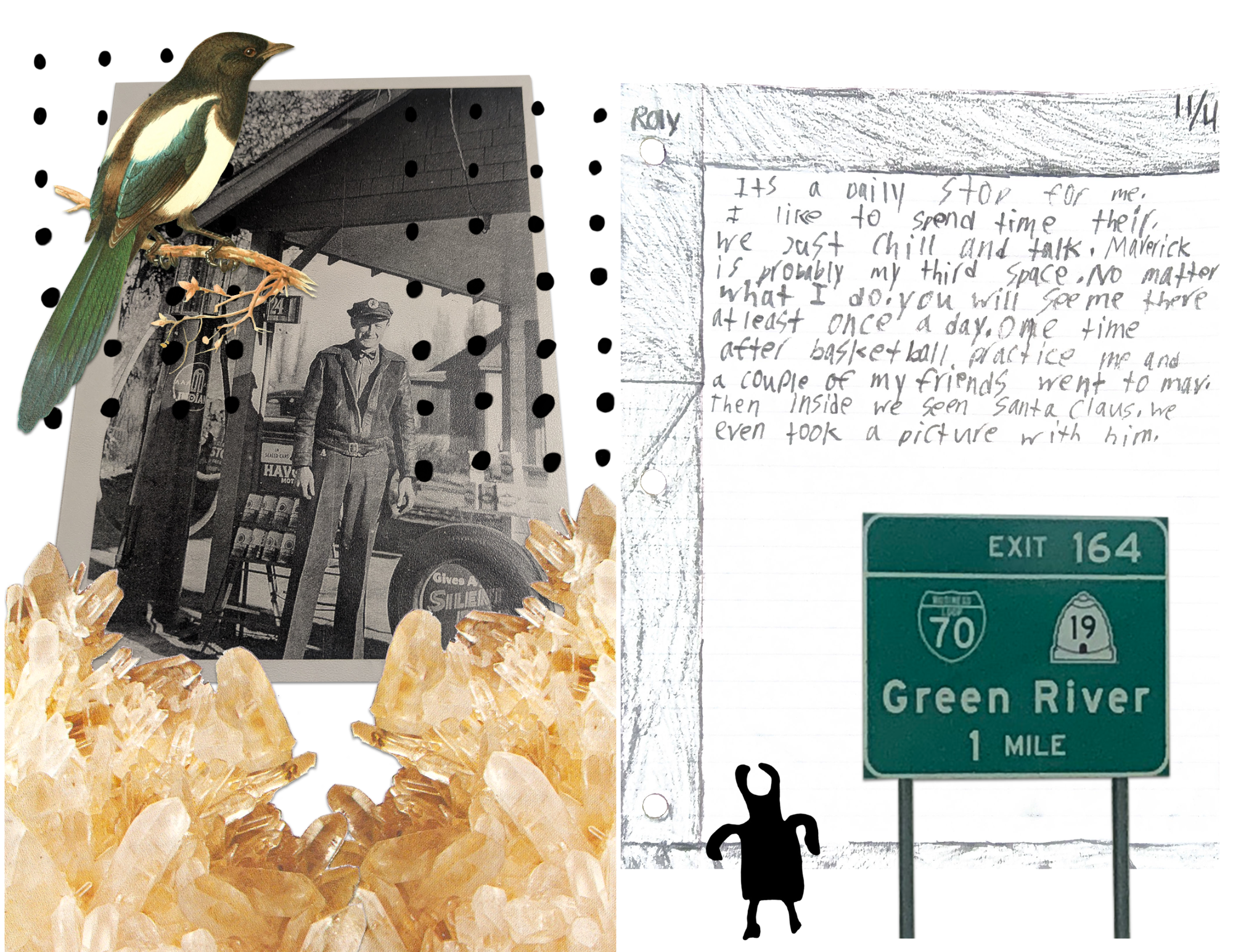
Lares Feliciano is an artist, cultural worker, tarot reader, and witch based in the sacred San Luis Valley, Colorado. Feliciano uses animation, installation, and collage to create worlds where diverse stories are front and center and all of time exists at once. Her work explores the in-between, layers of diaspora, and the complexity of memory. She holds an M.F.A in Cinema Production and a B.A. in Film & American Studies.
EXIT HERE

A central theme in my work is ✨time ✨. I am interested in creating experiences where time slows down, turns back, and blends together. I am fascinated by memory, nostalgia, archives, and oral history. All are echoes of time. Time is central to the human condition. Our experience of time is where meaning, connection, and identity are formed.

Time + Context = Meaning
In my exploration of time I have become interested in the world of liminal space. A liminal space is described as the uncertain transition between where you've been and where you're going physically, emotionally, or metaphorically. Liminal spaces can be physical spaces like a waiting room, an airport, a hallway. But times in our lives can also be liminal, like a move, a divorce, or the pandemic. While often depicted as unsettling, liminal space can also represent a comforting space between. Moments of soft safety exist in the liminal, where one can simply exist in the ether between time.


On my first visit to Green River I was instantly taken aback by the evidence of time around me. Here, time makes itself known - from the looming Book Cliffs that act as archives in rock to the rushing Green River carving its path for centuries, to the years of tradition marching down Main Street during the Melon Days parade. This place knows time and has a lot to tell.
It wasn’t hard to fall in love with Green River. My partner and I live in Alamosa, Colorado, a rural town in the middle of a large high alpine desert known as the San Luis Valley. We love small town life and instantly felt a sense of ease and comfort as we walked to OK Anderson Park to meet the Epicenter crew for Melon Days in 2024. The energy was infectious and familiar - a town of hard working people celebrating the literal fruits of their labor. I spent my first day in town with tacos in one hand and watermelon in the other. Before we knew it we had signed up to drive the truck for KZMU’s parade float the next day. Less than 24 hours in and we knew this was home.
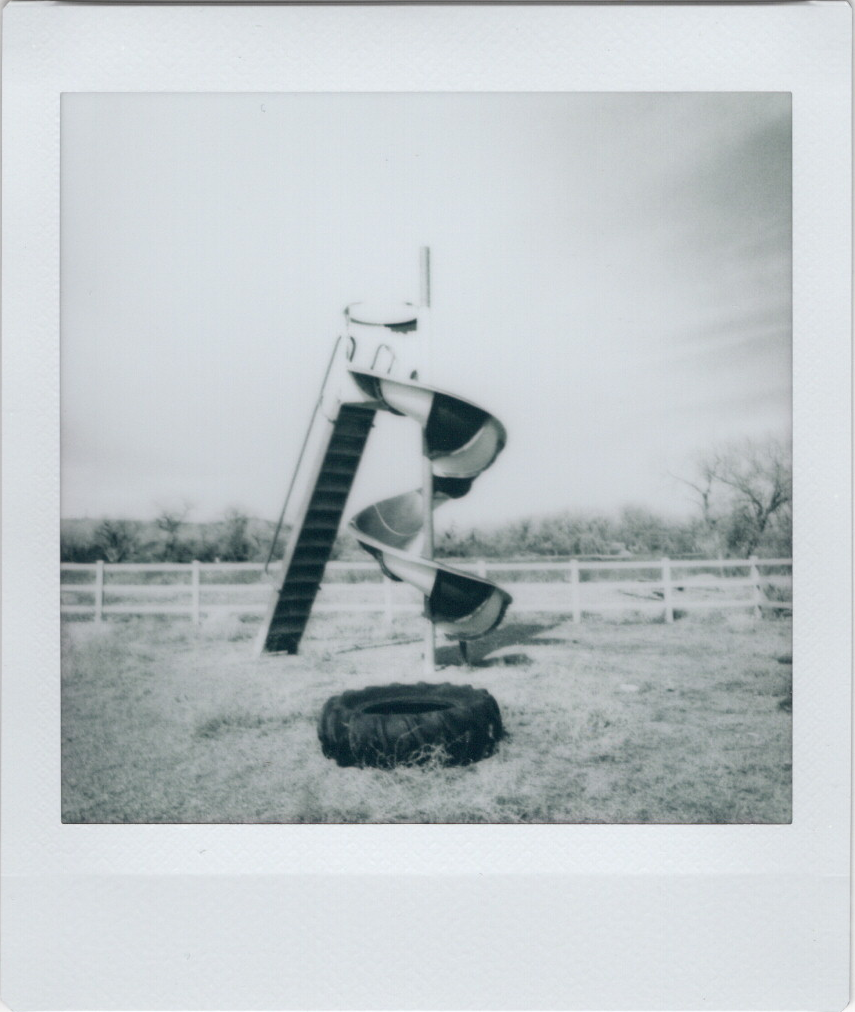
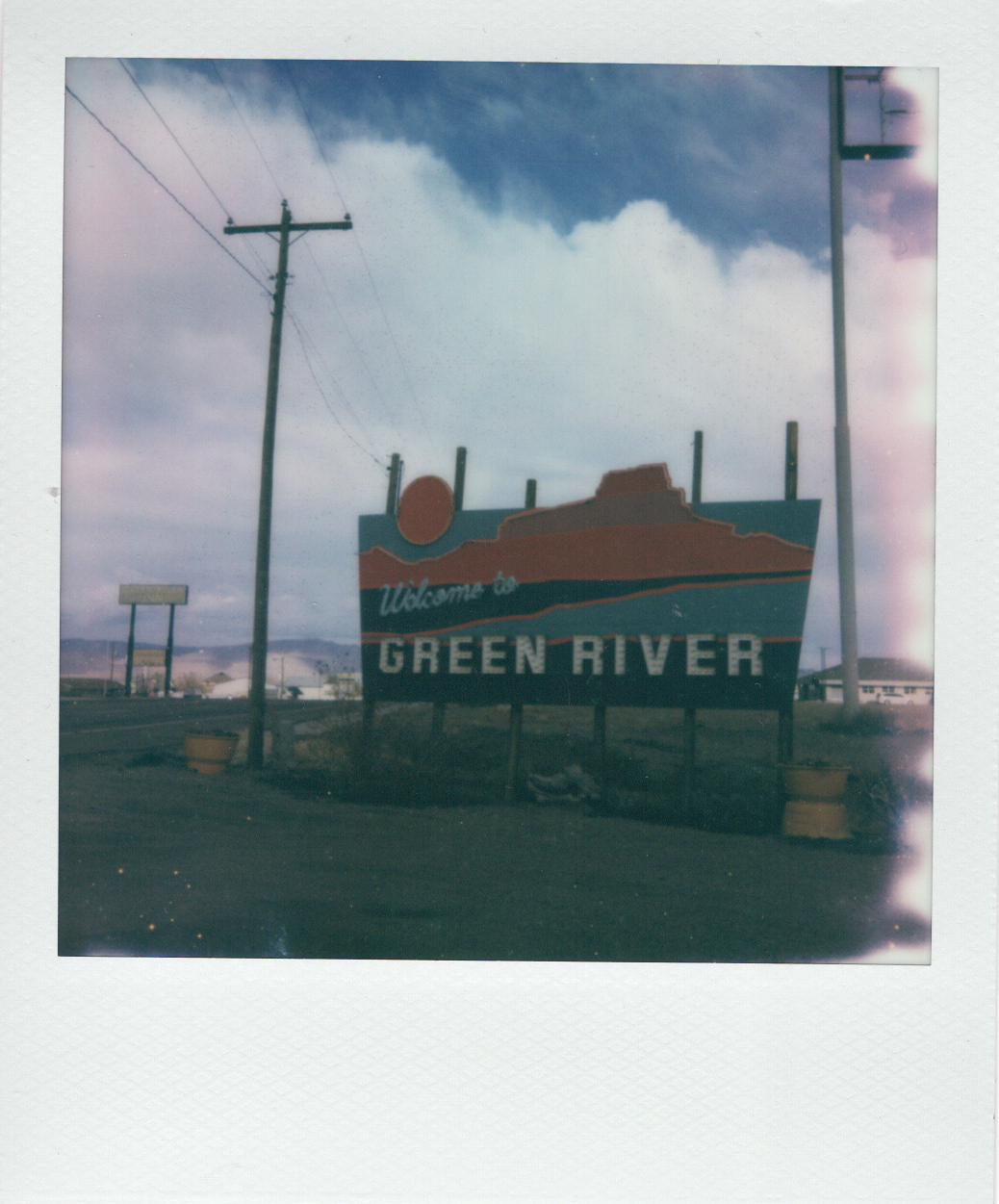
I left Melon Days with a slew of ideas for my Frontier Fellowship project. But one concept kept lingering in my mind: the gas station. The gas station is a liminal space that has long captivated me. After hours of driving on a long desert highway, full bladder in tow, you glance at your dash to see you’re low on gas. Maybe you’re ready to turn in for the night. Maybe you have many more hours to go. Regardless, all you want to see is the bright lights of a fueling station off the nearest exit.
Many gas stations initially look exactly alike but look closer and it’s clear they each have their own characteristics, personalities, and quirks. In many small towns and rural communities like Green River, gas stations become a hub of human activity. It’s where news gets spread as folks come in and out throughout the day. Early morning sees the construction worker regulars. Lunch time is for high schoolers and town staff. Everyone goes to the gas station.

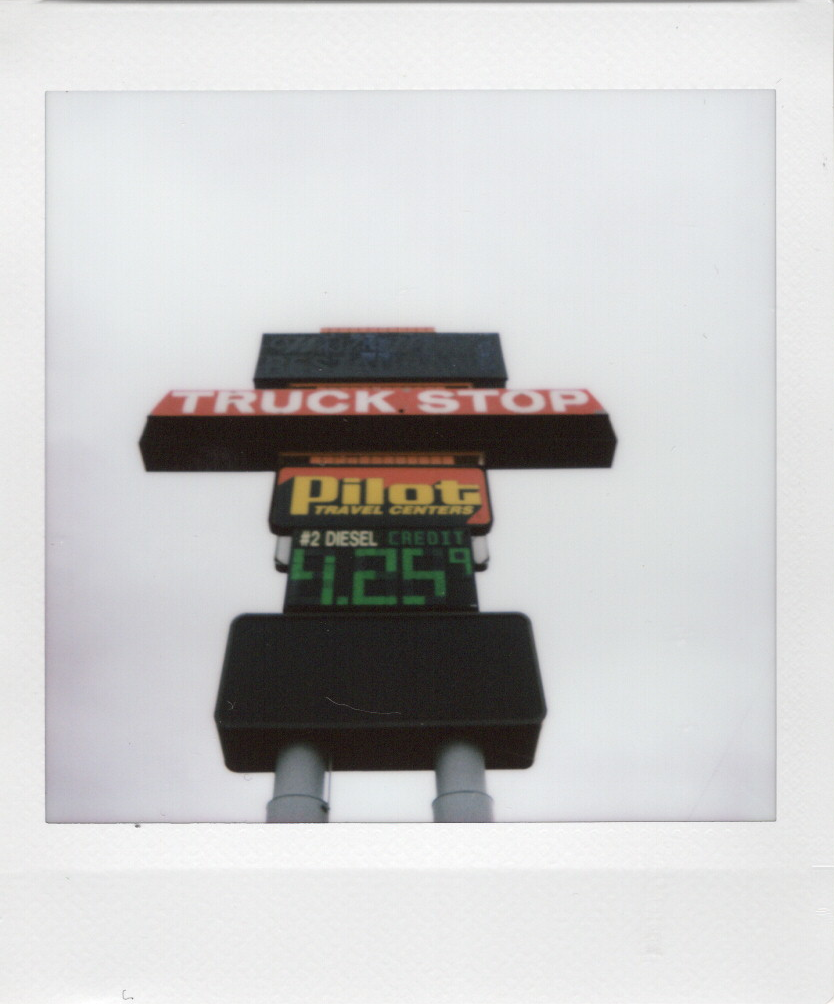
Simultaneously, I am interested in third space - public spaces where community can gather, rest, and connect. Spaces to just be and spend time. This got me thinking, what does it look like when liminal space becomes third space? Green River is home to several gas stations. With a total of six gas stations for its town of just under 1000 residents, Green River acts as a beacon of life on miles of wide open desert highway. What is a stop on the way for those passing through it is a part of the daily routine for locals. It is where they work, eat, and gather. Here, the liminal space of the gas station doubles as a third space for community connection.

I decided to focus my work on Green River’s gas stations - the history, the workers, the routines. Gas stations have a large presence in this town. Bookending Main Street, Green River’s six gas stations provide an entryway to the town’s history and character. Driving on Utah’s desert stretch of I-70 it doesn’t matter what direction you’re going in, you’re going to want to stop in Green River. To this day gas stations remain the largest employer in town. The demand for gas station workers is so high that national chains Love’s and Maverick have built apartments to provide housing for their employees. In Green River the gas station is more than just a stop along the way.


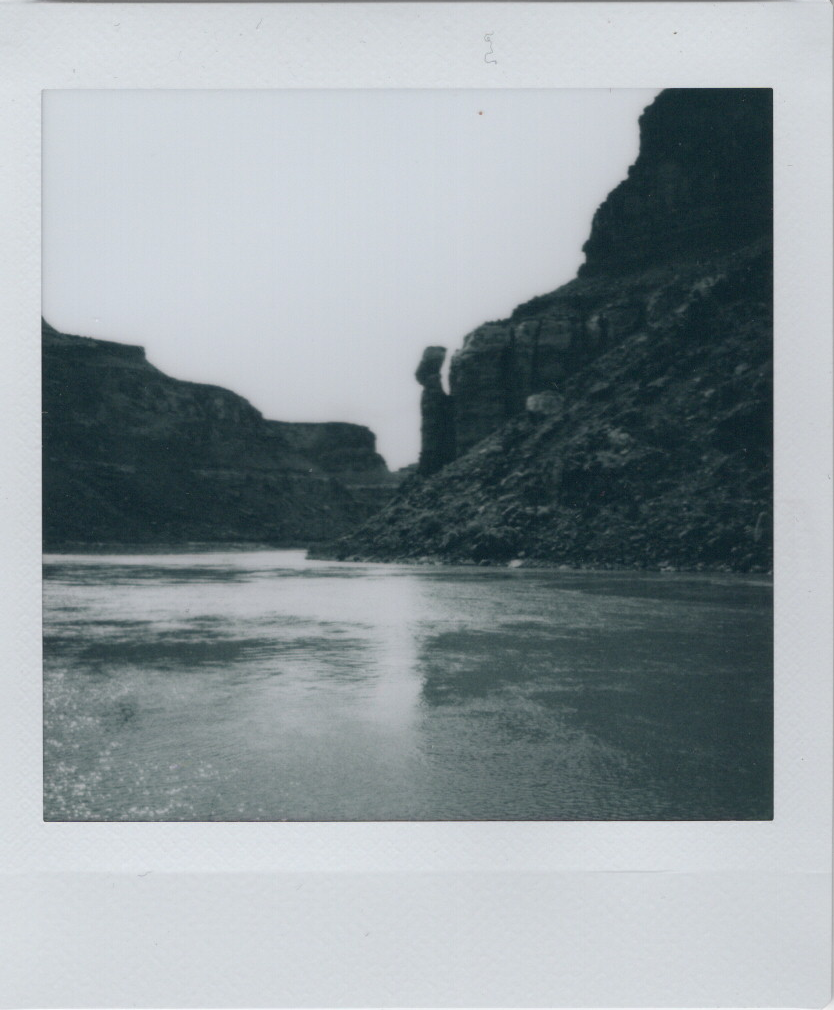
I returned to Green River in late March 2025 with the goal to get to know the town and its gas stations as best I could. I spent my days exploring Green River and the surrounding adventure spots. I drove up the winding Hastings Road past glorious views of the river to see Swasey’s Beach and Nefertiti. Every turn felt like a portal through time. “This has to be it,” I’d say as I crawled past dramatic cliffs and sharp turns hoping to finally see this epic rock. The road seemed never ending. After what felt like the millionth curve the queen appeared. Regal rock reigning over a quiet canyon. The river was loud but the air was still. I felt both alone and connected, surrounded by time in rock.

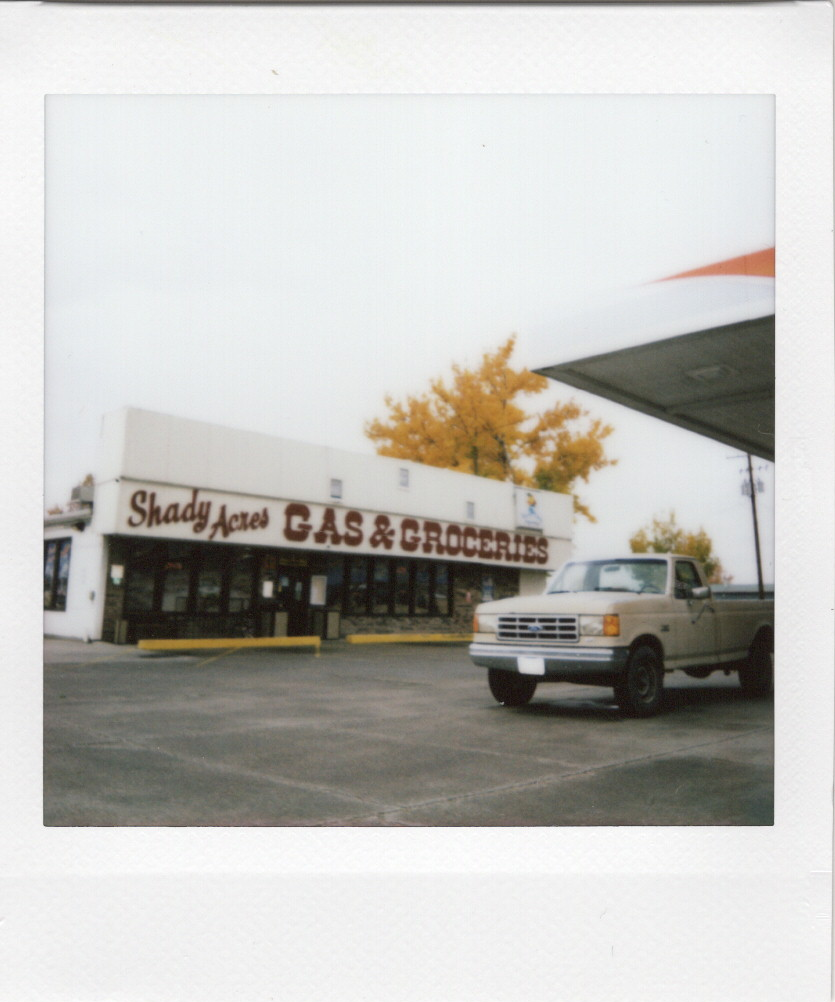
Back in town I visited every gas station at least once. Shady Acres, West Winds Sinclair, Conoco Good 2 Go, Maverik, Love’s and Love’s. Each one has its own rhythm, routine, and regulars. Shady Acres holds it down as the last remaining locally owned gas station in town. A family run operation, there’s a familiar, homey feeling as you walk through the doors. A friendly welcome and a wall of Green River merchandise and information. Most gas stations in town also have a fast food restaurant. At Shady Acres you can get Blimpie Subs and Surf City Squeeze Smoothies. Shady Acres also offers RV campsites, cabins, carwash, and laundry, connecting travelers to comforts on the road.
Across the road from Shady Acres is West Winds Sinclair which also serves as the Greyhound Bus Stop. Activity wanes and waxes at the West Winds as travelers spill out of the bus and onto the Green River’s Main Street. Between stops it quiets around the green dinosaur. Down the road on the east side of town is the Conoco Good 2 Go. Here you can find Green River high school students working at the Little Caesars Pizza and guests from the Super8 gassing up on their way to Crystal Geyser.
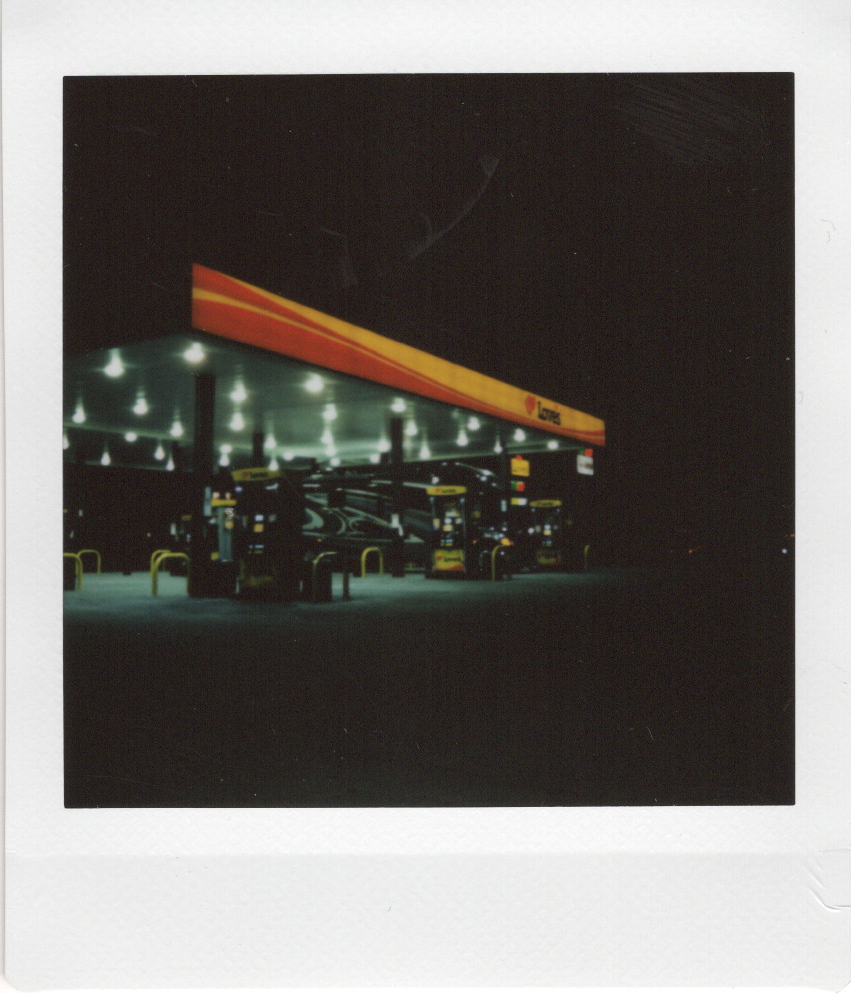
On the west side of town it’s a high noon showdown of major national fuel chains. Not one but two Love’s welcome guests traveling in either direction. On the south side of the road is the Love’s Country Store complete with a Subway restaurant. Here you can find locals on their lunch break grabbing a sub alongside the road trip traveler. It was spring break season during this visit which meant reliably long lines at Subway as families adventured across Southeastern Utah. Across the street on the north side of the road is the Love’s Travel Stop. This Love’s is built for truckers, complete with showers, a dog park, RV hookups, and an Arby’s.
Just east of the double Love’s is Maverik, a newer chain that has popped up all over Utah and the western states. I found myself stopping into Maverik often, partly because of the hot honey chicken sandwich from their BonFire Grill but mostly because of the sweet staff I got to know. The more I went in the more familiar the faces became. I decided early on in this project that I wanted to get to know Green River’s gas station employees without being a nuisance. Having worked in various forms of customer service I know how frustrating it can be when even well intentioned people talk your ear off at work. After a couple of visits I introduced myself to a super sweet cashier named Jocelyn. I quickly learned that she grew up in Green River and had a lot of stories about the river, her community, and her experiences working in local gas stations. We exchanged contact info and made plans to connect on my next visit to Green River.
That weekend in Green River was spent diving deeper into the surrounding layers of time at Green River Rocks geology festival. I had the honor of following rock art researcher Layne Miller through Nine Mile Canyon, just north of Green River, to explore the “world’s longest art gallery”. Miles of winding rock filled with messages from the ancients in the form of petroglyphs and pictographs. Coyote Placing the Stars, The Great Hunt, and lots of big horn sheep. Circles and spirals that I recognized in my own work. Every panel was a new revelation about time, place, and the people who came before. Layne would walk us through the possibilities - perhaps this mark was wayfinding. Perhaps this one was a warning. But he emphasized that after all the speculation in the world we will never truly know. I left the canyon feeling like I had just time traveled with a dozen strangers.
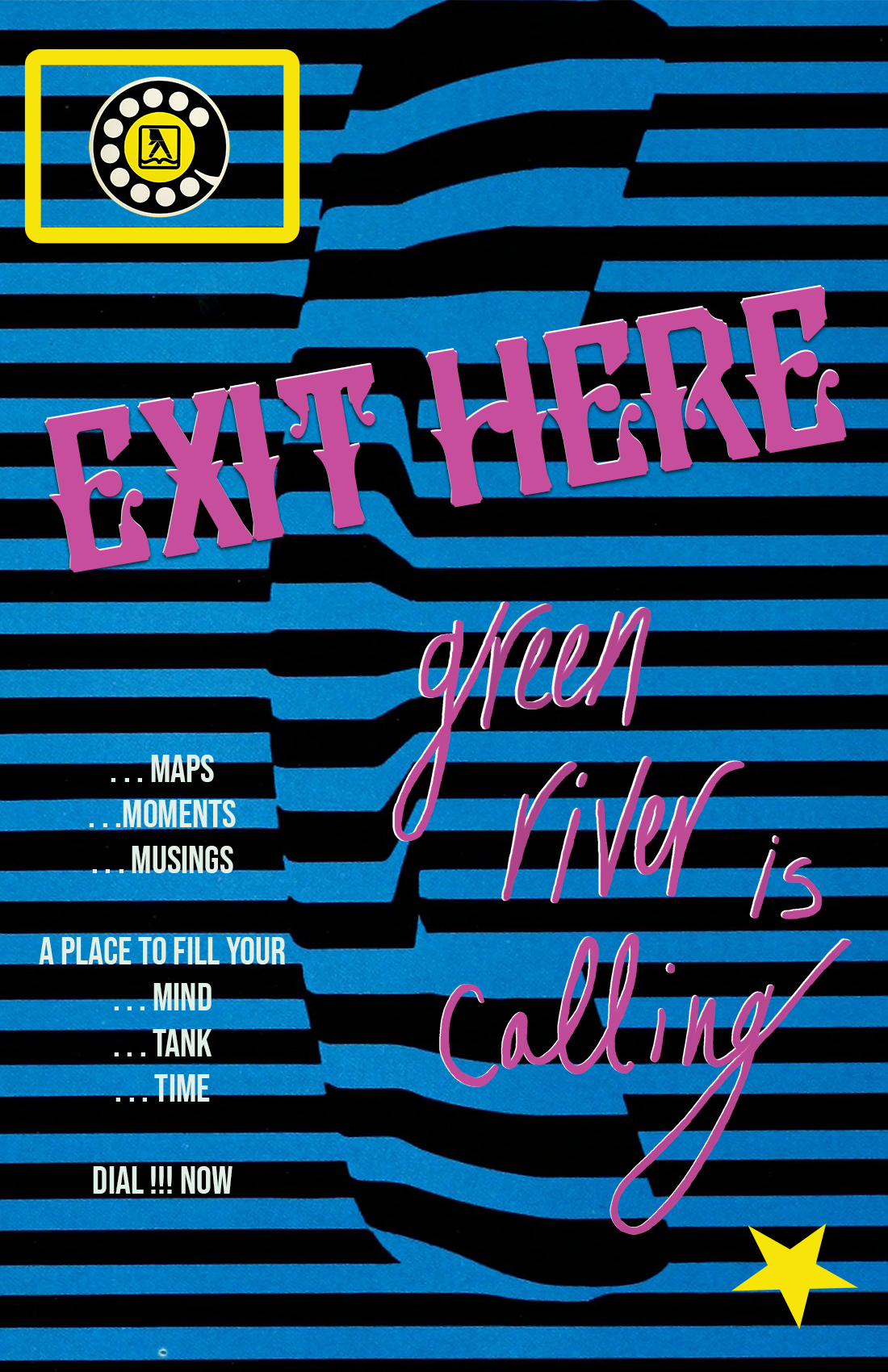
In June I made my way back to Green River to make moves on my project. The vision was clear now: I would create a multi-media installation featuring sounds and stories from Green River’s gas stations. The completed piece would include a sound collage that played on a vintage pay phone when you picked up the receiver. I would also create a collage style zine to go with the pay phone installation, a “phone book” of sorts. I had already gathered tons of sounds and I was ready to get working on the next phase.
Jocelyn and I made plans to meet up at Chow Hound. I wanted to interview her outside of her workplace so I could learn more about her and her experience growing up in Green River. We sat down in the bright red booth over french fries and soft serve and I hit record. Jocelyn was energetic and animated as she told me about tubing down the river with her family, Melon Days traditions, and her life going back and forth between Green River and Grand Junction. Her roughly two decades on earth had been spent between the two towns. In her early twenties she moved back to Green River and took a job at the Love’s Travel Stop. Love’s was an adventure with folks from all over passing through. When a position opened up at Maverik with higher pay, Jocelyn jumped at the opportunity. At Maverik she saw more regulars and worked alongside family. Not even half a mile down the road felt more like home. I listened intently as Jocelyn told me about her day to day at Maverik - the regulars, the travelers, the wild stories. I knew this would be the anchor to my sound collage.

Before leaving town again I spent two full mornings in the archives at the John Wesley Powell River History Museum. As a lover of archives and primary sources I was in heaven. These archives are robust, full of images and ephemera from Green River’s history. I could’ve stayed there for weeks. Through my digging I found remnants of Green River’s gas station story. Photos of Hal’s Texaco, one of the earliest gas stations in town, old highway signs, and memories from the road. I gathered stacks of content to use in the zine.
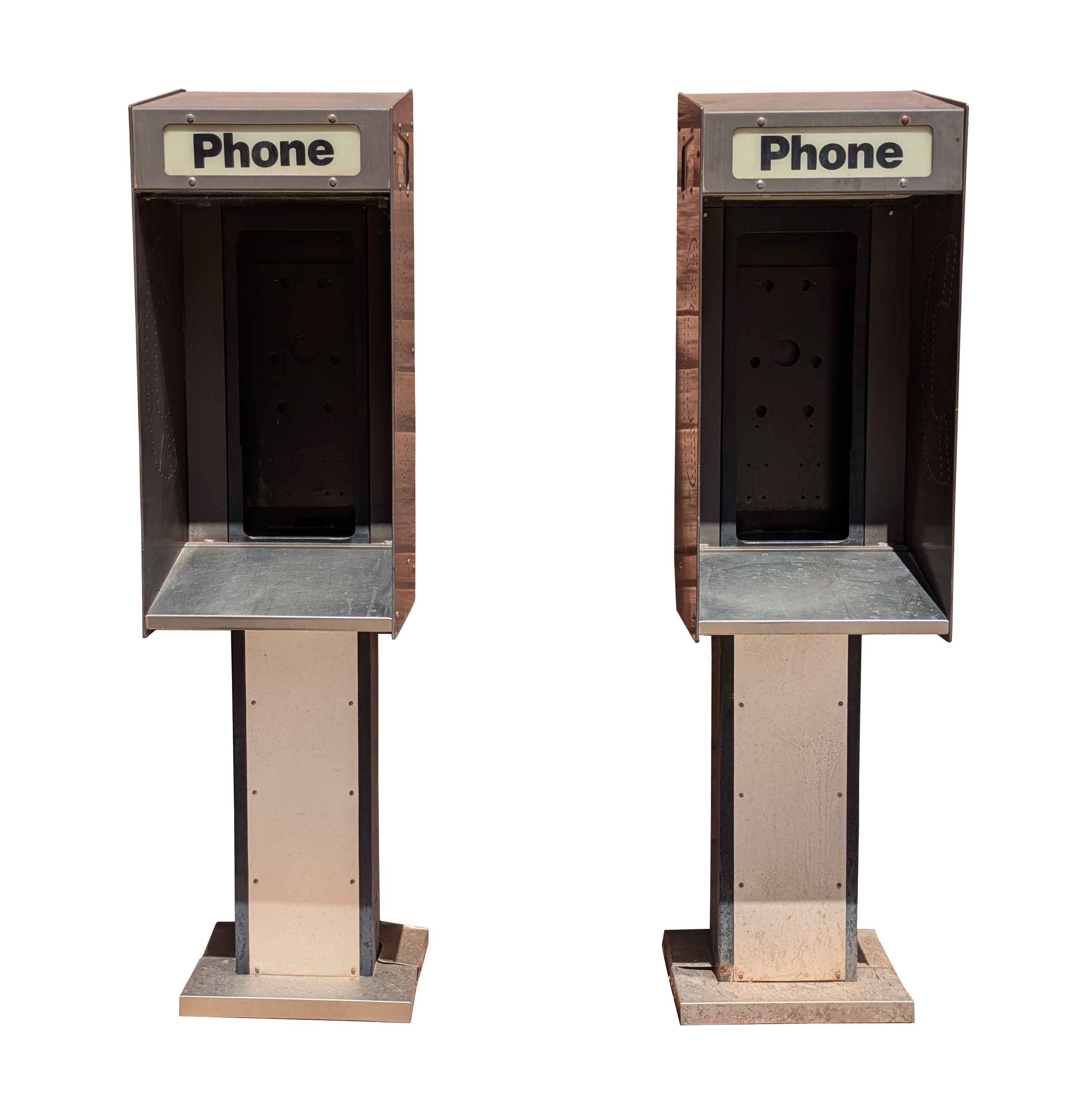
Back at my home studio I struggled with a vintage pay phone purchased on Ebay. The plan was simple - we would break into the phone and install a device that would connect to the key pad and play the sound collage on the receiver. Simple turned to practically impossible as we tried desperately to get into the pay phone. Pay phones were built with several layers of theft protection to prevent hacking. As a result, gaining access without a key would be difficult.
I decided to put the phone on hold and focus on the sound collage and zine. I returned to Green River in November to gather the final elements of the project. I wanted to record some more sounds and connect with the young people of Green River. Epicenter connected me with the Green River Library where I was invited to teach a collage workshop during storytime. A group of about ten fourth and fifth graders joined me for a conversation about maps. We read My Map Book by Sara Fanelli, a creative picture book that encourages the reader to think beyond the traditional map. A map of my room, a map of my dog, a map of my family. These are some of the examples of the creative maps included. I then worked with the kids to create our own creative collage maps. One student made a map of things she likes. Another made a map of his family. I photographed each collage so they could be included in the final zine.

The next day I headed to Green River High School with Zoe to meet with the seniors in the journalism class. I was invited by their teacher Ren Hatt, who was also the mayor of Green River. By this point I had visited Green River five times and Ren had become an integral part of those visits. Every time I landed in Green River, Ren and his fiancee Maria, the Executive Director of Epicenter, would greet me with open arms, usually with food, and generously invite me into their world. Ren grew up in Green River and loved the place so much he ran for mayor in 2021, a seat he won and served until 2025. In December of 2025, a month after I visited his classroom, the world lost Ren to a fatal car crash just miles outside of Green River.
Writing about my visit to Ren’s classroom is difficult. I didn’t know it at the time but I was experiencing a precious moment, a memory I would learn to savor as one of the last with my friend. Teaching alongside Ren was an honor. I could tell the students were comfortable in his classroom, that it was a place they felt they could be themselves. We talked about liminal space, third space, and gas stations. I asked everyone to write, by hand, a memory or story from a Green River gas station. The students were initially surprised at the request to write by hand but they leaned in and each provided a short piece to be included in the zine. Ren wrote and read out loud the following:
Last year I spent every trip I made to Maverik in an attempt to befriend a massive raven I named Munin. He was at least 150% bigger than any raven I’d ever seen! I’d feed him bits of bacon egg & cheese biscuits until he’d start following my car to school. We had this @ a distance relationship until he moved on in July. I count it as one of the more magical experiences in my life.
- Ren Hatt 11/4/2025
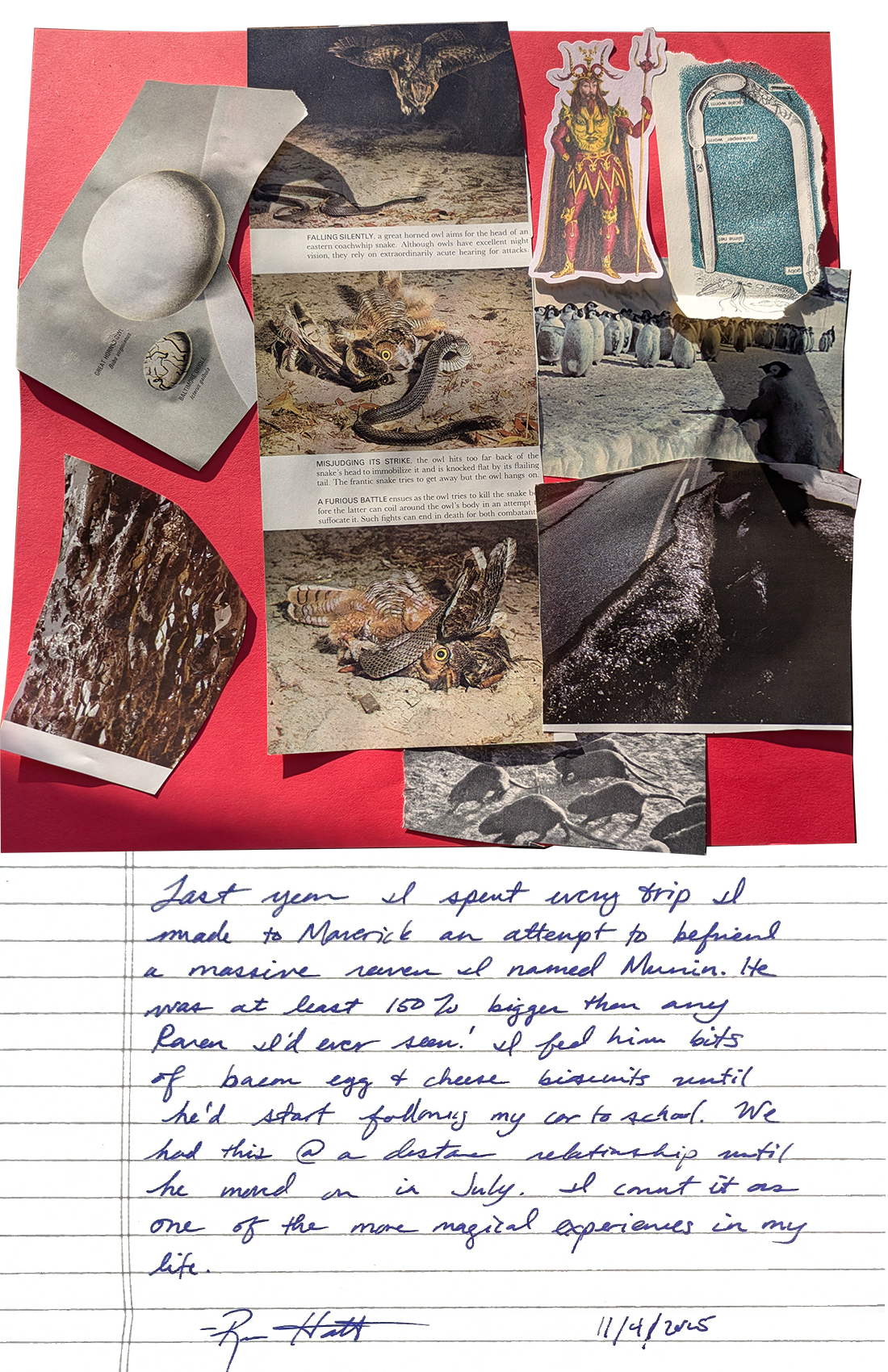

I am grateful to Ren for writing this, so we can remember him and his raven. So his handwriting can be preserved in print. The name Munin means memory, fitting as all who loved Ren hold onto their memories of him. In his short, bright life, Ren knew to look for magic, make memories, and befriend the ravens. Being in his classroom was a gift that I will cherish.
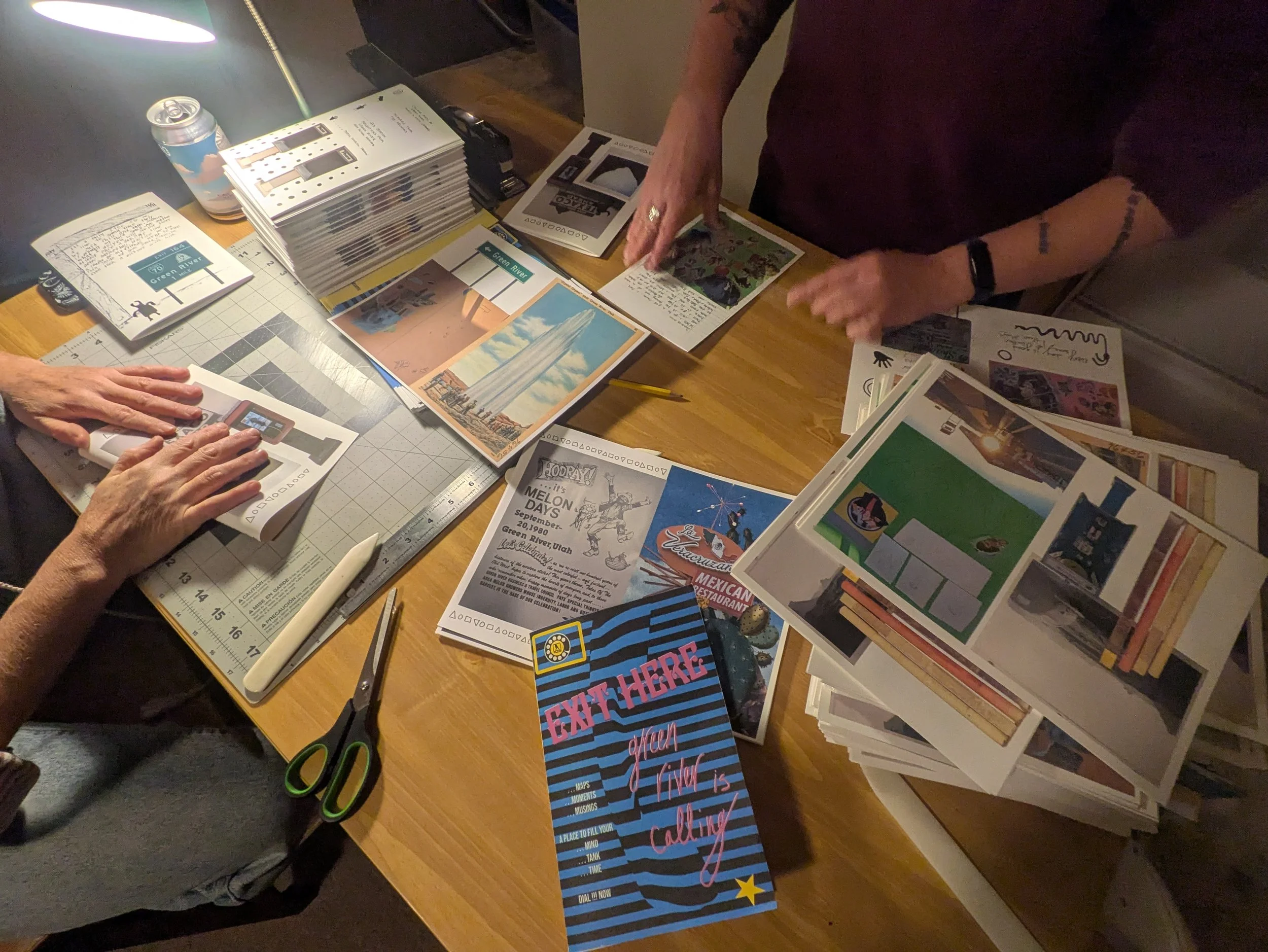
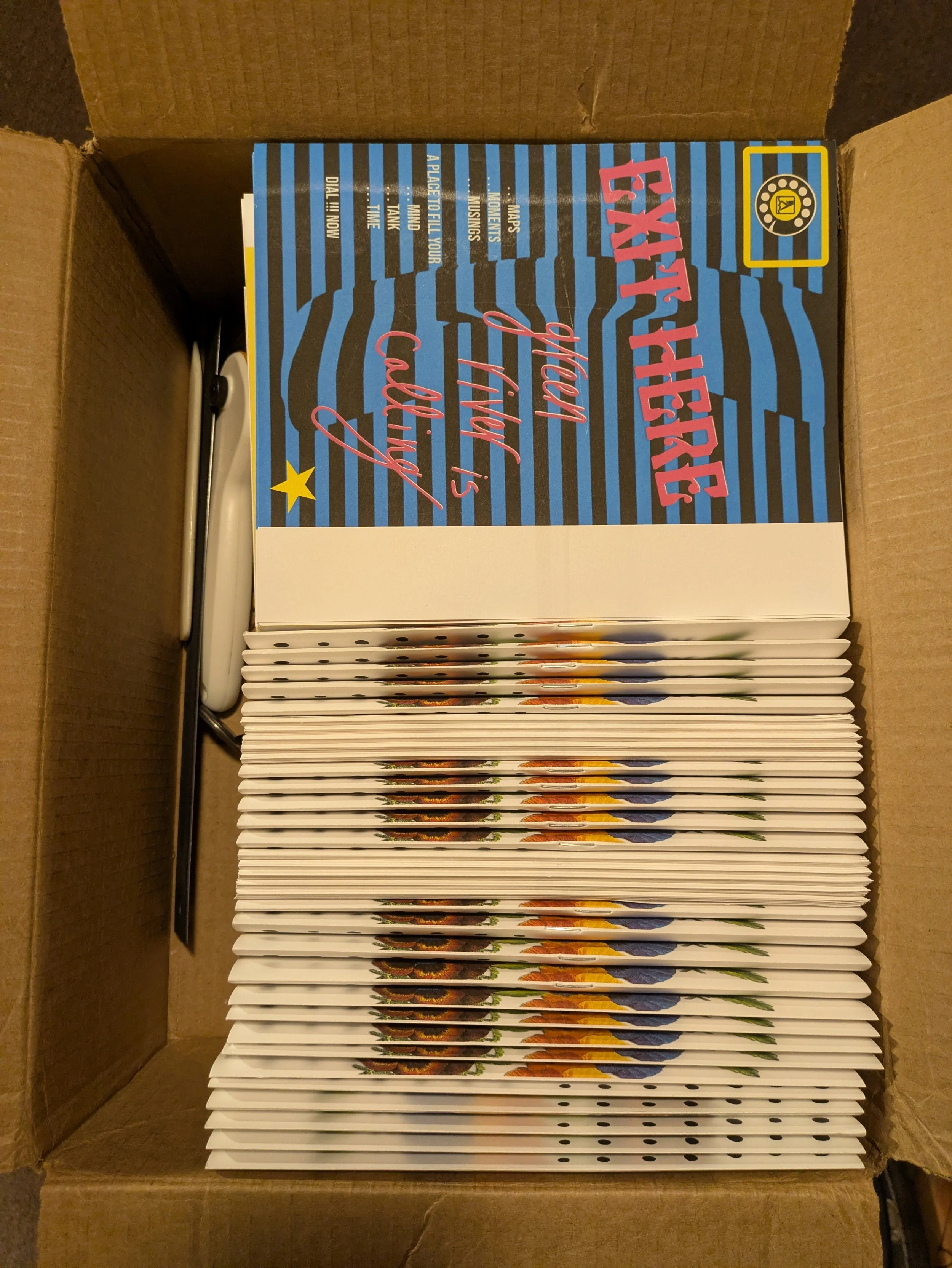
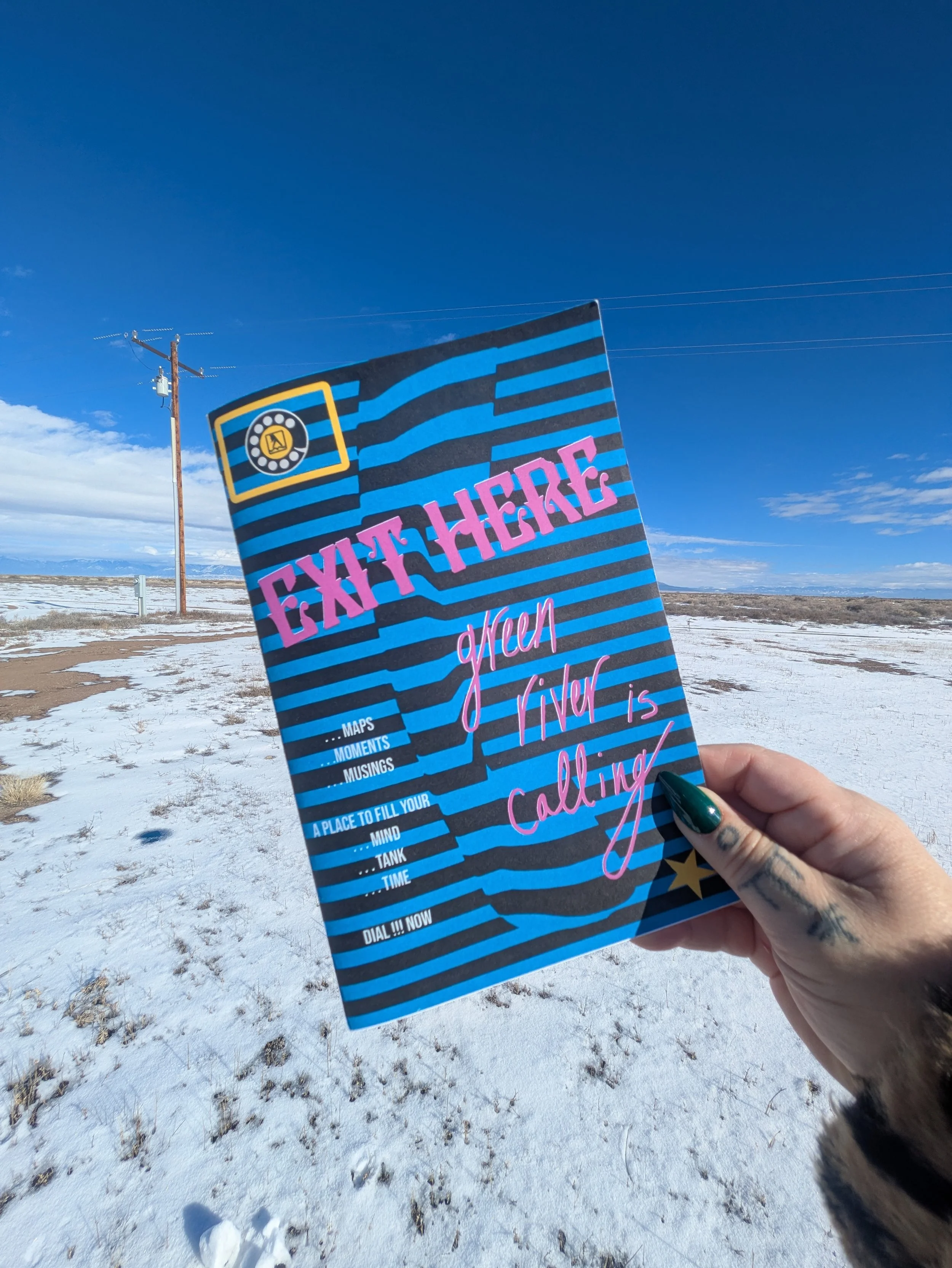
At home I completed the zine and got to printing. I employed the services of Hysteria Heart Press, a woman owned independent press here in the San Luis Valley. The completed zine includes 40 pages of musings, memories, and collage reflecting on Green River and its gas stations. I like to think the whole thing is a collage collaboratively created by myself and Green River. From archives to collage maps to petroglyphs and polaroids, the entire zine is a reflection of my experience of and love for Green River. The back page of the zine links to a site where you can listen to the sound collage while you peruse its pages. Listen to gas station soundscapes weave in and out as Jocelyn talks about the construction worker regulars. Take time to lose time and listen.
To say Green River changed me is an understatement. This town, the land, and the people who call it home have all become family to me. I can think of a lot of reasons for this but one that stands out is time. The way time moves on Main Street as the Melon Days parade lines up. Slow but excited, anticipating. The way the river levels tell us what time of year it is. The way the Amtrak horn blaring past Epicenter lets me know it’s dinner time. Or the way the Book Cliffs beckon you to ancient canyons, inviting you to time travel via rock walls. I am not the same person I was before Green River and I am more myself than ever. For this I am forever grateful.
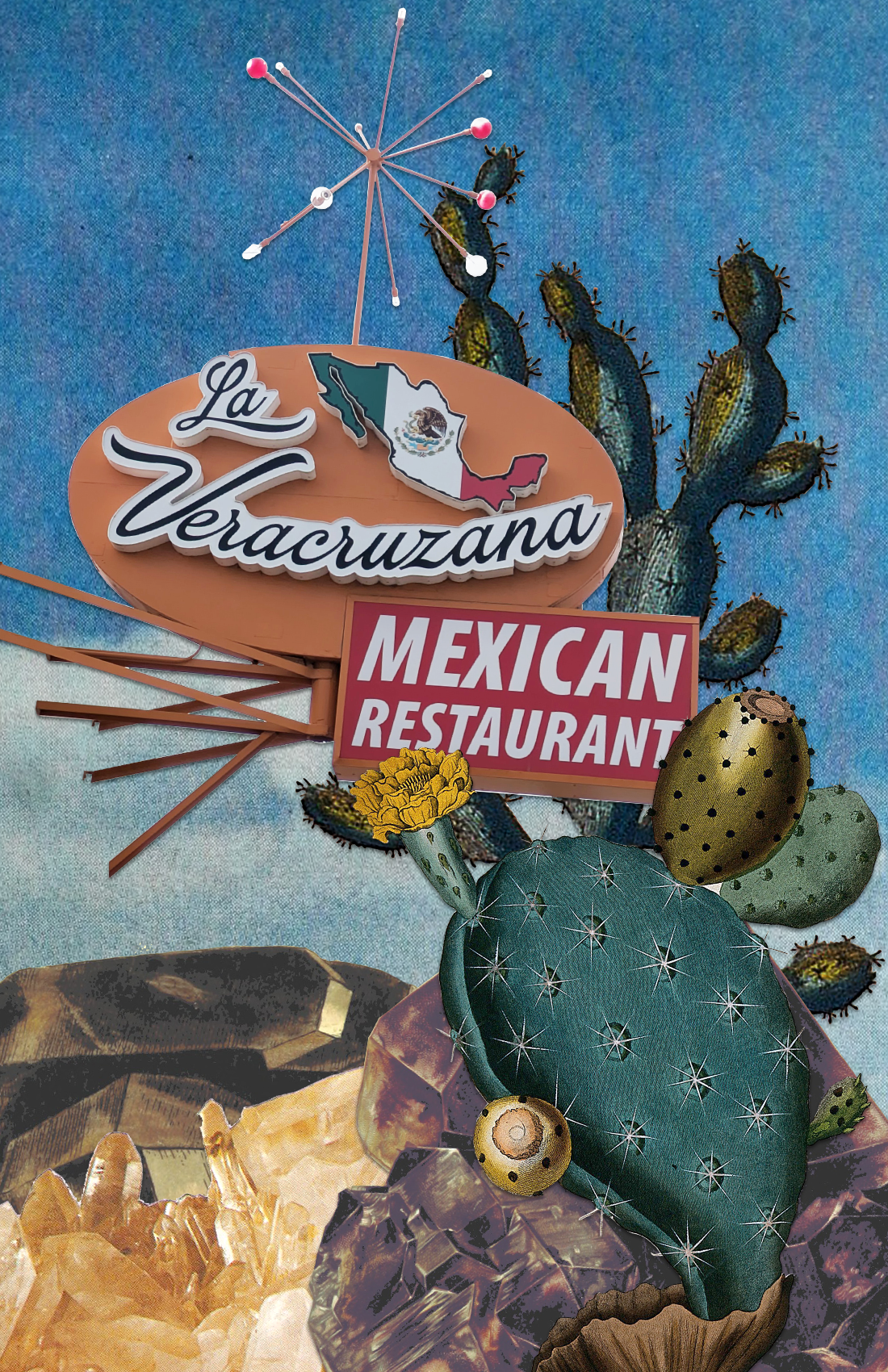
Rarely does an artist execute wild ideas without the help of brilliant collaborators. EXIT HERE was created with the assistance, creativity, energy and spirit of: Jocelyn Snow, Zoe Gardner, Kenny Fallon Jr, Maria Sykes, Bothe Kretsinger, Antonio Herrera, The Green River Library, Green River 4th & 5th Graders, Green River High School Journalism Students, The John Wesley Powell River History Museum, La Veracruzana Restaurant, Hysteria Heart Press, Epicenter, and Ren Hatt. Thank you all.